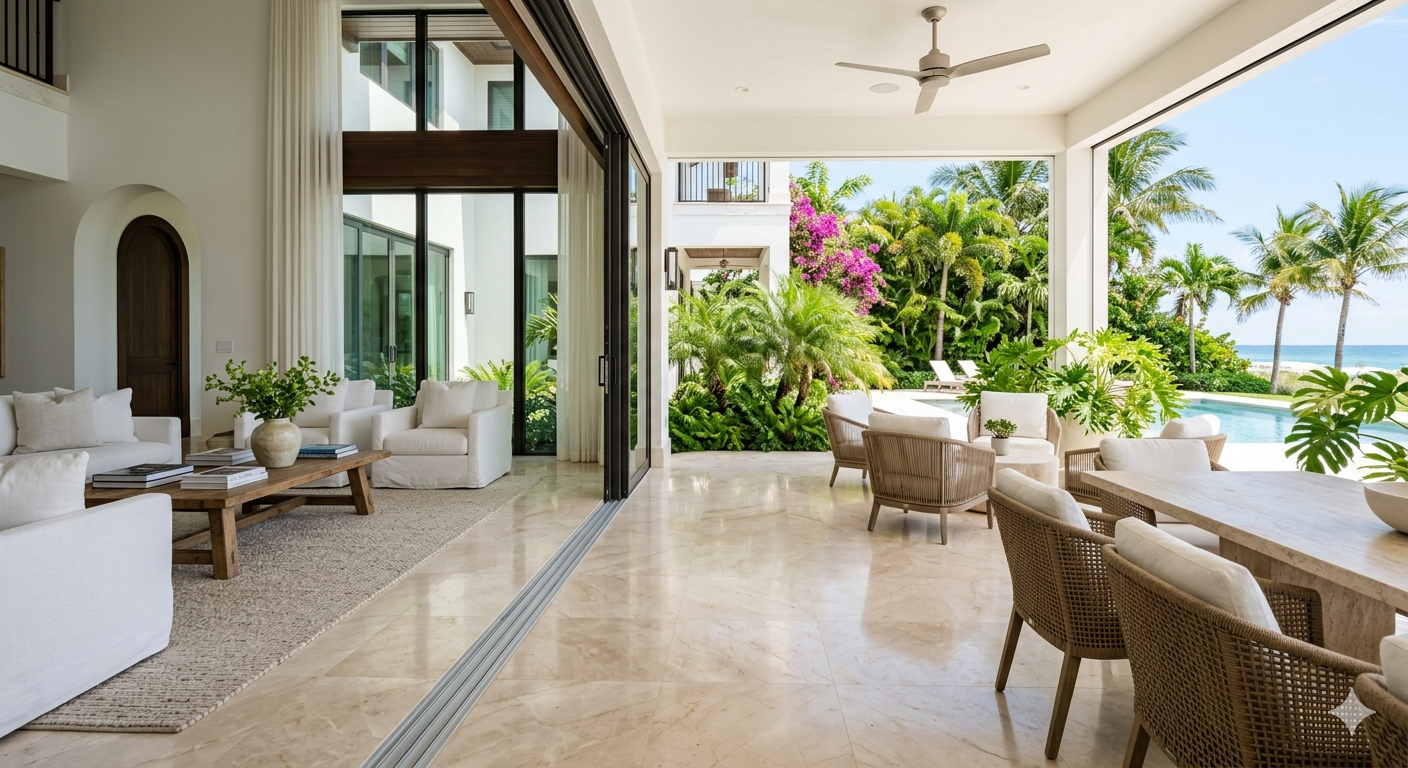
South Florida summers are beautiful, but they can be surprisingly tough on natural stone. Between the intense humidity, salty coastal air, UV exposure, afternoon rain showers, and sand that inevitably gets tracked indoors, luxury surfaces endure constant wear during the hottest months of the year.
If your home features marble floors, a travertine pool deck, limestone accents, or custom stone countertops, summer is the ideal time to pay attention to maintenance before small issues turn into expensive repairs.
Whether you own a waterfront estate in Miami Beach, a luxury condo in Brickell, or a custom home in Palm Beach, understanding how Florida's climate affects natural stone can help preserve its beauty and value for years to come.
Why South Florida Summers Are Hard on Natural Stone
Natural stone is durable, but it is not indestructible.
Florida's climate creates a combination of environmental factors that can slowly damage even the highest-quality installations.
- High humidity can encourage moisture buildup and leave behind water spots or mineral deposits.
- Salt carried through coastal air may accelerate wear on exterior stone surfaces.
- Fine sand acts like sandpaper when walked across polished floors.
- Heavy summer foot traffic increases scratches and dull areas.
- Frequent rain and pool use expose surfaces to additional moisture and chemicals.
- Strong UV rays can gradually affect certain sealers and finishes.
The result is often subtle at first. A once-reflective marble floor begins looking cloudy. A polished countertop loses its shine. Outdoor travertine starts appearing worn long before homeowners expect it to.
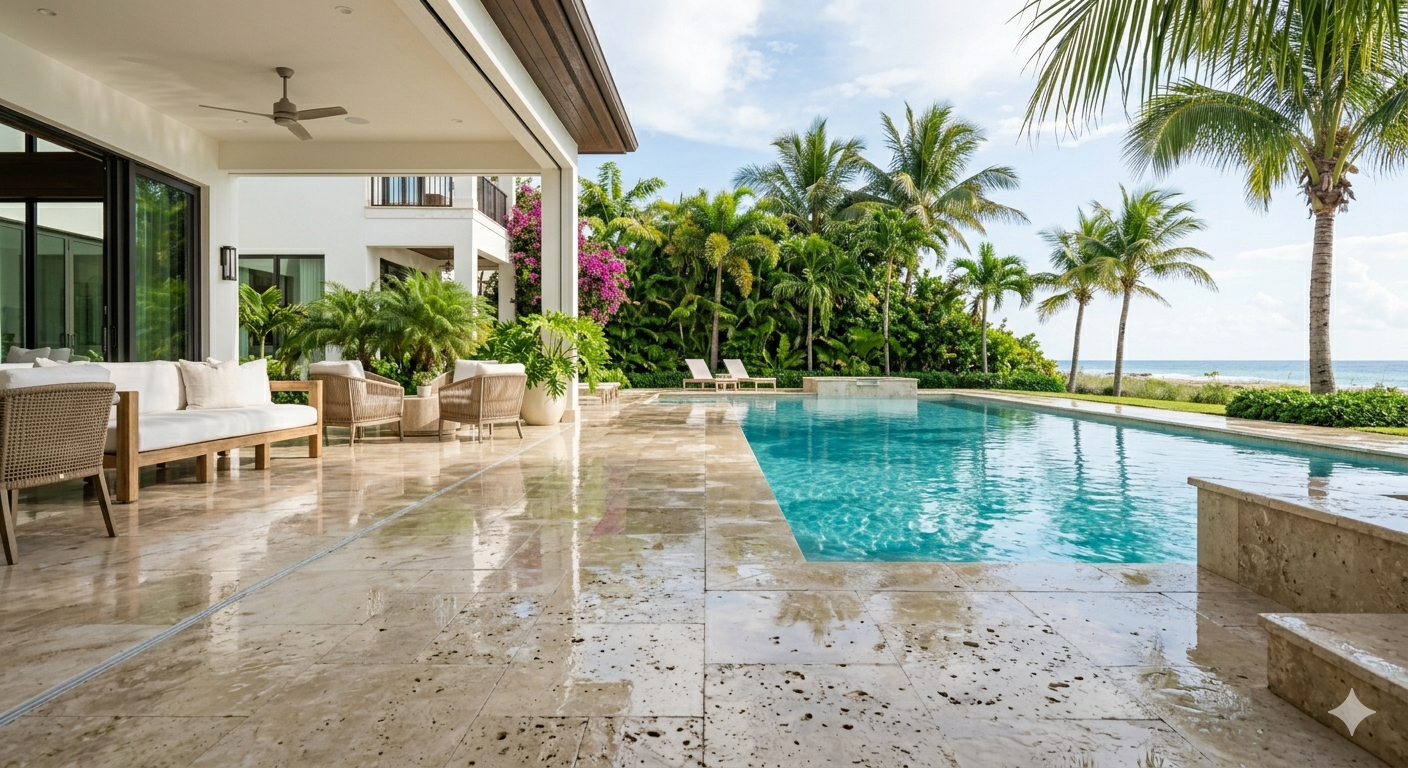
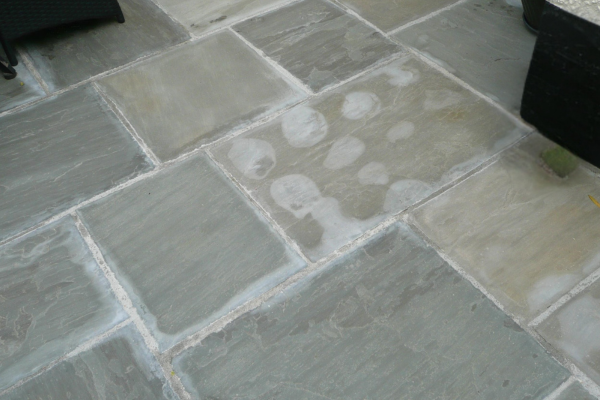
Pool decks and outdoor living spaces face constant exposure to sunlight, rain, humidity, and pool chemicals throughout the South Florida summer.
Which Stone Surfaces Need the Most Attention?
Some areas naturally experience more stress than others during summer.
Entryways
Shoes bring in sand, grit, and moisture from outside. Over time, those tiny particles create micro scratches that reduce the polished appearance of marble and limestone floors.
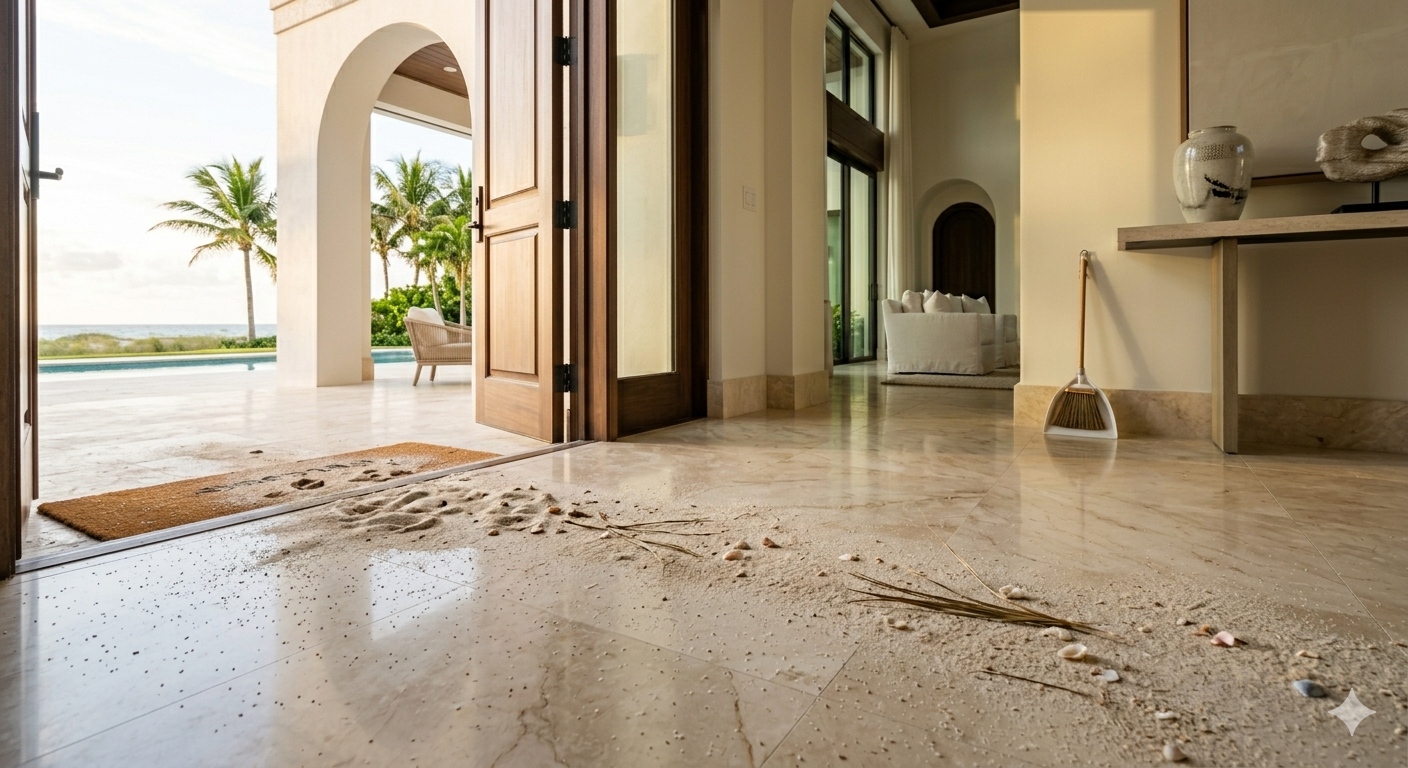
Fine sand tracked into luxury homes can act like sandpaper on polished marble and limestone floors, gradually creating microscopic scratches.
Pool Decks and Outdoor Living Areas
Travertine is a popular choice for South Florida pool decks because it stays cooler underfoot, but constant exposure to rain, sun, salt, and pool chemicals can slowly wear away protective sealers.
Kitchens
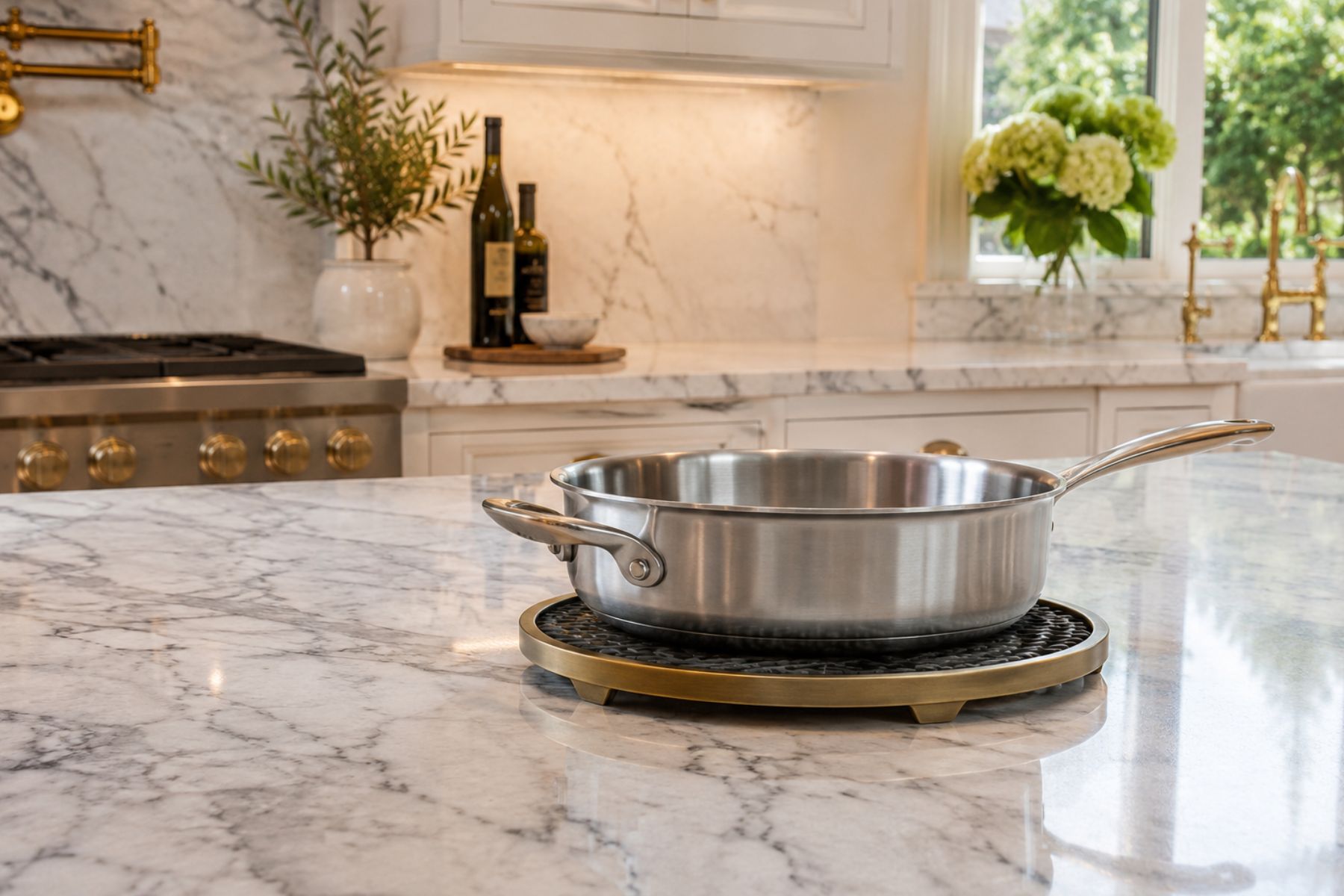
Acidic foods like citrus, vinegar, wine, and tomato products can etch marble if spills are not cleaned promptly.
Bathrooms and Showers
Humidity and standing water may leave mineral deposits or create dull spots if surfaces are not dried regularly.
High-Traffic Living Spaces
Luxury homes often feature expansive natural stone flooring that experiences constant daily use. Without periodic maintenance, heavily traveled pathways can become noticeably less reflective than surrounding areas.
A Simple Summer Maintenance Checklist
The best restoration project is often the one you never need because routine maintenance prevented the damage.
Here are a few habits that can make a significant difference:
- Clean surfaces using only pH-neutral stone cleaners.
- Dust or sweep regularly with microfiber tools to remove abrasive sand.
- Wipe up standing water instead of allowing it to evaporate naturally.
- Use walk-off mats near entrances to reduce tracked-in debris.
- Inspect sealed surfaces by checking whether water beads on the surface or absorbs quickly.
- Place protective pads under furniture and décor that sits directly on stone flooring.
- Address scratches or dull spots early before they become widespread.
These small steps can help preserve the finish while extending the life of your investment.
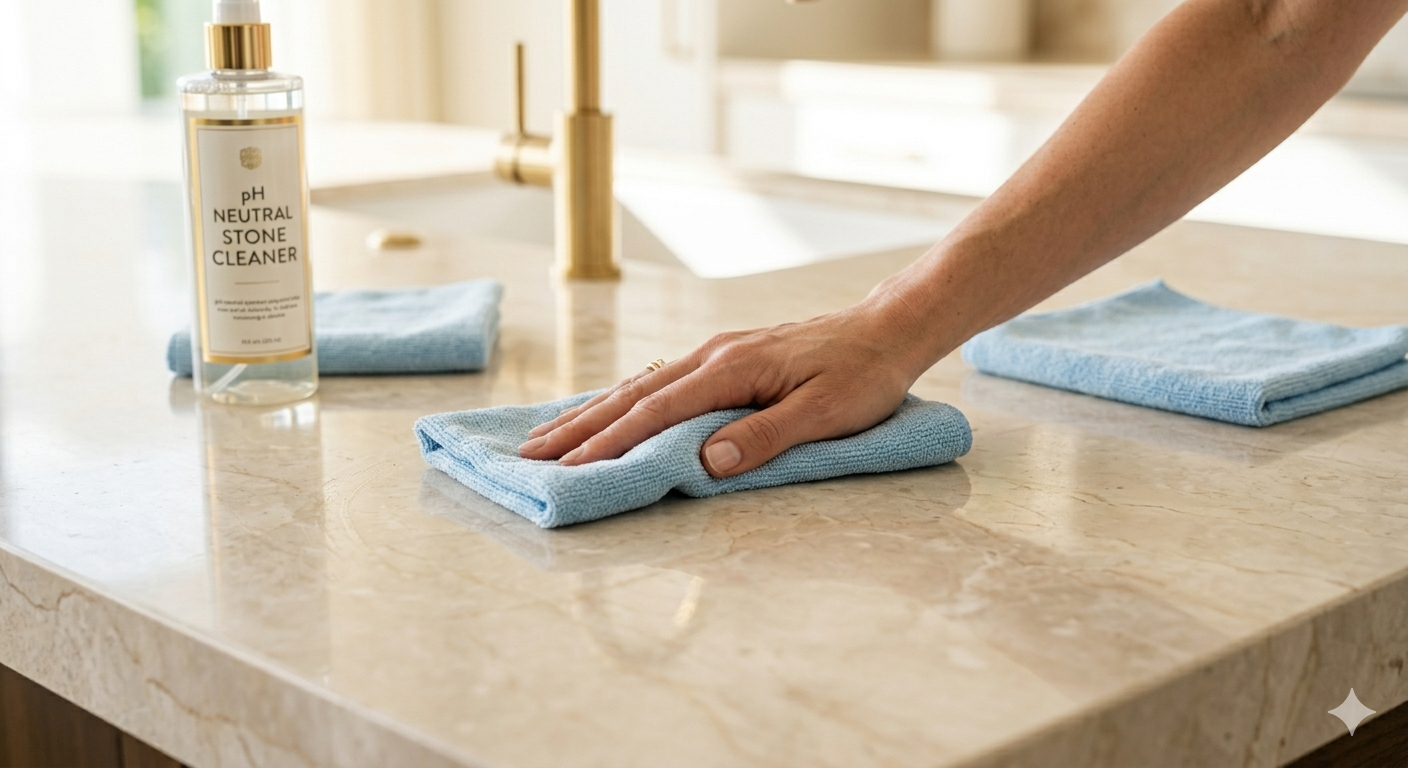
Using a pH neutral stone cleaner and microfiber cloth helps preserve natural stone finishes without causing unnecessary wear or etching.
Marble vs. Travertine vs. Limestone in Florida's Climate
Not every natural stone responds to summer conditions in the same way.
| Stone Type | Common Summer Challenge | Recommended Maintenance |
|---|---|---|
| Marble | Etching and dullness | Prompt spill cleanup and periodic polishing |
| Travertine | Sand abrasion and outdoor wear | Frequent sweeping and sealer inspections |
| Limestone | Moisture absorption | Regular cleaning and professional sealing evaluations |
| Granite | Surface buildup and staining | Routine pH-neutral cleaning and periodic sealing |
Understanding the unique characteristics of each material helps prevent unnecessary damage and keeps finishes looking their best.
When DIY Maintenance Isn't Enough
Routine care is important, but some problems require professional restoration.
If you notice any of the following, it is often time to call an experienced stone specialist:
- Persistent dull areas that cleaning cannot remove
- Visible etching from acidic substances
- Surface scratches across polished floors
- Water-related discoloration
- Uneven shine between different sections of flooring
- Sealers that no longer provide protection
Professional honing, polishing, restoration, and resealing can often restore natural stone without requiring replacement, saving homeowners significant expense while preserving the original material.
Why Luxury Property Owners Choose Stone Specialists
Luxury natural stone deserves specialized care.
Unlike general cleaning companies, dedicated stone restoration professionals understand the composition of marble, travertine, limestone, granite, and other premium materials. They use techniques specifically designed to restore finishes while protecting the integrity of the stone itself.
For homeowners throughout Miami, Miami Beach, Brickell, Palm Beach, and surrounding South Florida communities, working with an experienced restoration team helps ensure custom installations continue looking as impressive years later as they did on day one.
Frequently Asked Questions
Does humidity damage marble?
Humidity alone typically does not damage marble, but combined with standing water and poor maintenance it can contribute to mineral deposits, dullness, and surface issues over time.
How often should marble be sealed in South Florida?
The ideal schedule depends on the type of marble and how heavily it is used. Many luxury properties benefit from periodic professional evaluations rather than relying on a fixed calendar.
Can salt air affect natural stone?
Yes. Coastal environments expose exterior stone surfaces to airborne salt particles that may gradually contribute to wear, particularly when combined with moisture and UV exposure.
Why does my marble floor suddenly look dull?
In many cases, dullness is caused by microscopic scratches from sand or by etching from acidic substances rather than dirt alone.
Is professional polishing better than replacing damaged stone?
Often, yes. Skilled restoration can remove scratches, restore clarity, and renew the finish without the cost and disruption of full replacement.
Protect Your Investment Before Damage Becomes Permanent
Natural stone is one of the defining features of many luxury homes throughout South Florida. With the right maintenance strategy, marble, travertine, limestone, and other premium surfaces can remain beautiful despite the region's demanding climate.
If you have noticed dull finishes, scratches, etching, or signs that your stone has lost its original luster, a professional evaluation can identify the best path forward before minor wear develops into costly restoration.
Preventive care today can help preserve both the beauty and long-term value of your investment for years to come.
Schedule a professional stone assessment to protect your South Florida home before summer wear becomes permanent.

%20(600%20x%20300%20px).png)

.svg)

.svg)