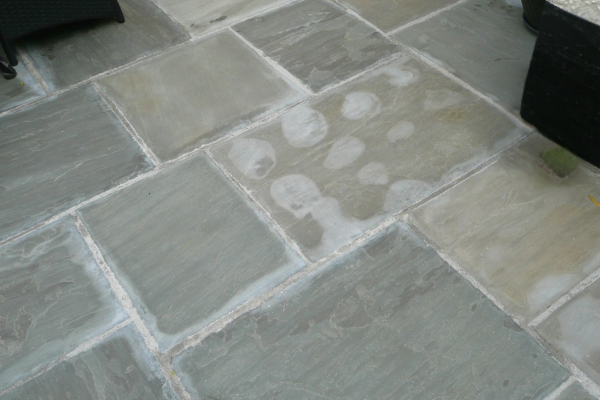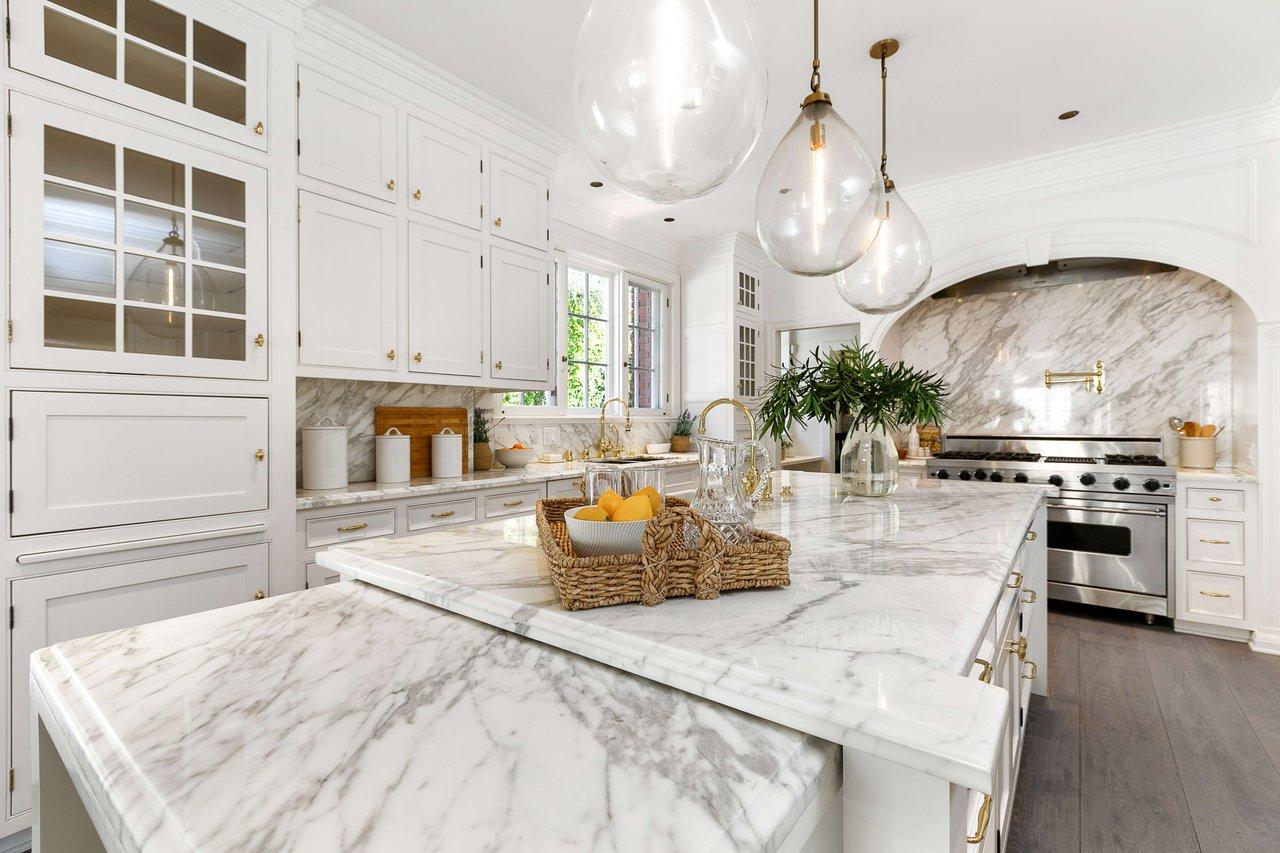
The holiday season brings more activity into the home. Kitchens become gathering spaces, dining areas see more use, and entryways welcome a steady flow of guests. For homes with marble, limestone, travertine, granite, and other natural stone surfaces, that additional activity can reveal maintenance concerns that have gone unnoticed throughout the year.
A dull area near the kitchen sink, a faint ring on a marble countertop, or a worn pathway across a stone floor may seem minor. However, these changes can indicate surface wear, moisture absorption, or deterioration of the stone's finish.
October is a practical time to evaluate these surfaces before Thanksgiving and the busy holiday season. Identifying concerns early allows homeowners and property managers to plan appropriate maintenance without the pressure of an approaching gathering.
Why Natural Stone Deserves Attention Before the Holidays
Natural stone is valued for its character, durability, and architectural appeal. However, even well-maintained surfaces are subject to everyday wear.
During the holidays, several factors can increase exposure to potential damage:
- More food preparation: Cooking oils, acidic ingredients, beverages, and repeated cleaning place additional demands on kitchen countertops.
- Increased foot traffic: Guests, footwear, and tracked-in debris can contribute to surface abrasion, particularly in entrances and gathering areas.
- Frequent cleaning: Using unsuitable cleaning products can affect certain stone finishes.
- Additional moisture exposure: Kitchens, bathrooms, and entertaining areas may experience more spills and standing water.
- Existing wear: Small scratches, dull areas, and damaged finishes often become more noticeable under increased use.
The goal of seasonal maintenance is not to restore every surface before guests arrive. It is to understand the condition of the stone and address areas where professional attention may be beneficial.
Kitchen Countertops: Look Beyond Surface Cleanliness
Kitchen countertops are among the most frequently used natural stone surfaces in a home. Marble, quartzite, granite, and limestone each respond differently to daily use, making material-specific care important.
A countertop may appear clean while still showing early signs of finish deterioration or moisture absorption.
Check for Dull Spots and Etching
Etching is particularly common on calcium-based stones such as marble and limestone.
When acidic substances, including lemon juice, vinegar, or wine, come into contact with these materials, they can react with the stone and alter its surface finish.
Etching often appears as:
- Dull rings beneath glasses or bottles
- Cloudy patches visible under direct light
- Areas that no longer reflect light evenly
- Marks that remain after routine cleaning
Etching is different from staining. A stain involves material penetrating the stone, while etching is a physical or chemical change to the surface itself.
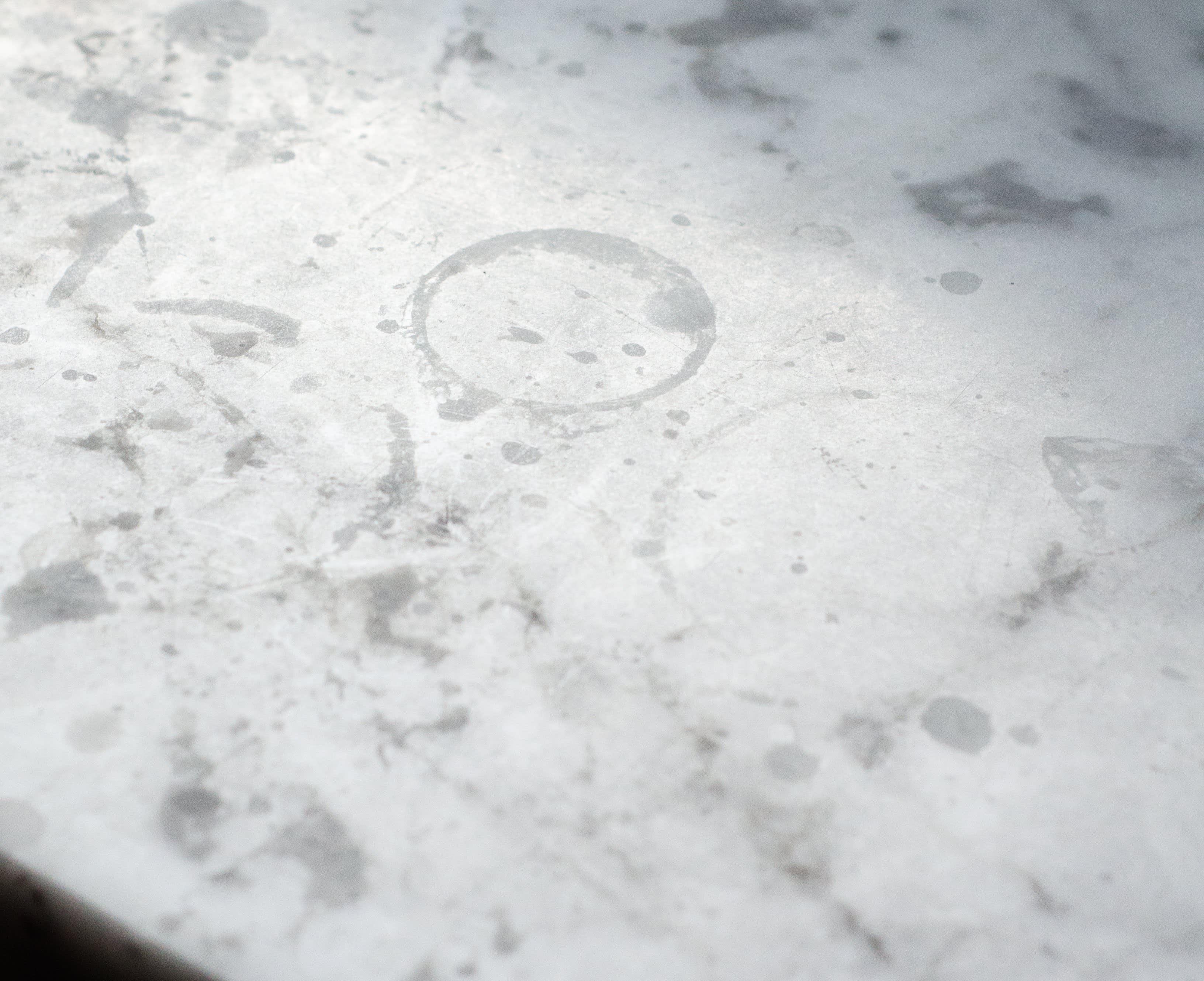
This distinction matters because cleaning products and stain removers generally cannot correct an etched finish. Depending on the severity, professional honing and polishing may be required.
Evaluate Areas Exposed to Water
The area surrounding a kitchen sink deserves particular attention.
Look for darkened stone near the faucet, discoloration around fixtures, or moisture that appears to remain within the surface after the surrounding area has dried.
These conditions do not automatically mean that the stone needs resealing. Persistent darkening may also indicate moisture trapped beneath or around the surface, deteriorating caulking, or another condition requiring evaluation.
A professional assessment can help determine whether the issue involves moisture exposure, staining, or a problem with the stone's protective treatment.
Consider the Condition of the Sealer
Many natural stone countertops benefit from an appropriate penetrating sealer, particularly when the material is absorbent.
A sealer helps reduce the rate at which certain liquids penetrate the stone. It does not make the surface stainproof, prevent etching, or eliminate the need for routine care.
Homeowners sometimes use a small water-drop test to observe absorption. However, this is only a preliminary indicator. Results can vary depending on the stone, existing treatments, and surface condition.
Before applying another sealer, it is important to identify the material and determine whether resealing is actually necessary.
Bathroom Stone: Pay Attention to Moisture and Finish Changes
Bathrooms present a different set of maintenance challenges.
Marble showers, limestone floors, travertine surrounds, and natural stone vanities experience frequent exposure to water, humidity, cleaning products, and personal care products.
Over time, these conditions can affect both the stone and the surrounding grout and sealant.
Inspect Showers and Wet Areas
Begin by examining surfaces that experience repeated moisture exposure.
Common warning signs include:
- Darkened stone that does not return to its normal appearance after drying
- White mineral deposits or recurring residue
- Discoloration along grout joints
- Deteriorating caulk around fixtures and transitions
- Dull or uneven finishes
- Persistent moisture-related odors
Some deposits may be associated with hard water, while other forms of discoloration can indicate moisture movement or trapped water.
These conditions should not all be treated the same way. Aggressive cleaning or applying additional sealer without understanding the cause can make certain problems more difficult to resolve.
Review the Condition of Stone Vanities
Bathroom vanities are also vulnerable to etching and staining.
Cosmetics, fragrances, skincare products, and cleaning agents can affect sensitive stone materials. On polished marble, these marks may appear as cloudy patches or small dull spots around frequently used areas.
For minor surface wear, professional refinishing may restore a more consistent appearance without replacing the stone.
Natural Stone Floors: Identify Wear Before Holiday Foot Traffic
Stone floors are designed to withstand regular use, but their appearance can change gradually.
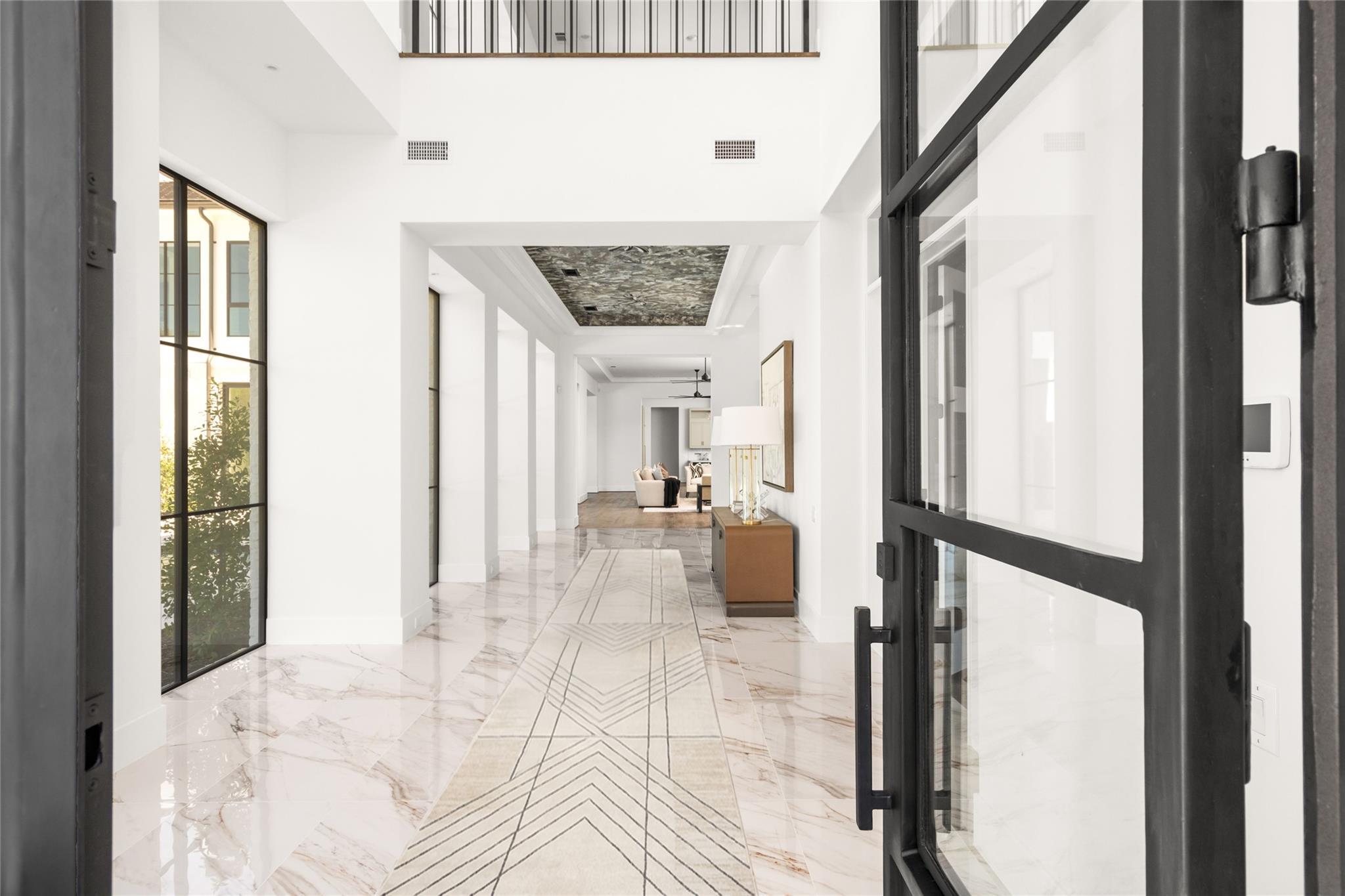
In luxury residences, entry halls, kitchens, corridors, and entertaining spaces often experience concentrated traffic. These areas may begin to look different from less frequently used sections of the same floor.
Look for Uneven Reflection
One of the simplest ways to evaluate a polished stone floor is to view it from a low angle toward a window or another consistent light source.
Pay attention to differences in reflection.
A floor that once appeared uniformly polished may develop dull pathways, particularly near entrances, kitchen islands, and transitions between rooms.
These changes may result from fine abrasion caused by footwear, tracked-in grit, furniture movement, or routine use.
Examine Grout and Surface Transitions
The condition of the stone is only one part of floor maintenance.
Inspect grout joints for cracking, missing material, or noticeable discoloration. Check transitions and edges for movement, chips, or uneven surfaces.
Loose tiles, recurring cracks, or significant changes in floor level deserve professional evaluation rather than cosmetic treatment alone.
Understand When Polishing Is Appropriate
Not every dull floor requires extensive restoration.
Depending on the material and condition, professional maintenance may involve cleaning, polishing, honing, or a more comprehensive refinishing process.
The appropriate treatment depends on the existing finish, depth of wear, and overall condition of the installation. For large stone floors, a consistent maintenance program can help preserve the desired appearance while reducing the need for more intensive corrective work.
Different Stones Require Different Maintenance
Natural stone is not a single material category when it comes to care.
A treatment suitable for one surface may be ineffective or inappropriate for another.
- Marble: Susceptible to acid etching, scratching, and loss of polish in high-use areas.
- Limestone: Often sensitive to acidic products and may require particular attention to absorption and surface wear.
- Travertine: Can experience wear, deterioration of filled areas, and moisture-related concerns depending on the installation.
- Granite: Generally resistant to many forms of everyday wear, although porosity, staining susceptibility, and finish characteristics vary.
- Quartzite: Properties vary by material. Some surfaces may require sealing and can experience staining or finish-related concerns.
This is why identifying the stone is an important first step before choosing cleaning products, sealers, or restoration methods.
An incorrect treatment can alter the finish, leave residue, or create additional maintenance problems.
What Homeowners Can Safely Do Before Hosting
Not every maintenance concern requires immediate professional intervention.
Several simple practices can help protect natural stone during periods of increased use.
Use Appropriate Cleaning Products
Choose cleaning products specifically formulated for the type of natural stone in the home.
Avoid acidic cleaners, abrasive powders, and harsh household chemicals unless their compatibility with the specific material and finish has been established.
Products marketed as general bathroom or kitchen cleaners are not necessarily suitable for natural stone.
Reduce Direct Exposure to Spills
Use coasters, trays, cutting boards, and other protective accessories in areas where beverages, oils, or acidic foods are frequently handled.
Clean spills promptly using a suitable method for the stone. Particular attention should be given to wine, citrus, vinegar-based foods, coffee, and cooking oils.
Control Abrasive Debris
At entrances, use appropriate walk-off mats to reduce the amount of grit carried onto stone floors.
Regular removal of loose debris can help limit fine scratches caused by particles moving across the surface.
Ensure mats and their backing materials are suitable for natural stone and do not trap moisture or transfer discoloration.
Avoid Unnecessary DIY Treatments
Applying a sealer, polish, or stain remover without understanding the underlying condition can lead to inconsistent results.
A dull marble countertop, for example, may need refinishing rather than resealing.
Likewise, a darkened shower floor may have an underlying moisture issue that a surface treatment cannot resolve. When the cause is uncertain, evaluation should come before treatment.
When Professional Stone Maintenance Makes Sense
There is an important distinction between routine cleaning and professional stone maintenance.
Routine care removes everyday debris and helps limit exposure to substances that can affect the surface.
Professional maintenance addresses the condition of the stone itself.
Depending on the material and the nature of the wear, services may include:
- Honing: Refining the surface to reduce visible scratches, etching, and uneven finishes.
- Polishing: Restoring or improving the desired level of sheen where appropriate for the material.
- Stain treatment: Evaluating and addressing certain types of discoloration using material-specific methods.
- Sealing: Applying a compatible protective treatment when the stone's condition and absorption characteristics warrant it.
- Grout and joint care: Addressing suitable grout or joint maintenance concerns as part of the broader stone-care process.
- Scheduled maintenance: Establishing recurring care based on the material, use, and expectations for appearance.
Professional restoration is not always necessary simply because a surface has aged.
The purpose of an assessment is to identify which conditions can be addressed through routine maintenance, which require corrective work, and which may indicate an issue beyond the stone finish.
Why October Is a Practical Time to Schedule an Assessment
The weeks leading into Thanksgiving often involve household preparations, travel arrangements, and coordinating services around family schedules.
Natural stone maintenance can easily fall to the bottom of that list.
Evaluating surfaces in October gives homeowners and estate managers more time to understand what work, if any, should be completed before holiday entertaining.
It also allows for a more thoughtful approach to scheduling.
Some concerns can be addressed through a straightforward maintenance visit. Others may require additional evaluation, specialized treatment, or multiple steps.
Not all restoration work can or should be rushed to meet an event date.
For properties with extensive stone installations, proactive planning is particularly valuable. Kitchens, bathrooms, staircases, entrances, and entertaining areas may have different maintenance needs, even when similar materials are used throughout the home.
A coordinated assessment helps prioritize those needs rather than treating every surface as an isolated project.
Frequently Asked Questions About Holiday Stone Maintenance
How often should natural stone countertops be sealed?
There is no universal resealing schedule. Frequency depends on the stone's absorption characteristics, existing treatment, exposure, and use. Some surfaces require more frequent attention than others, while certain materials may not benefit from routine sealing.
Can etched marble be restored without replacing it?
In many cases, yes. Surface etching can often be improved or removed through professional honing and polishing. The appropriate process depends on the severity of the damage and the existing finish.
Is it safe to use vinegar or household cleaners on natural stone?
Vinegar and other acidic cleaners should generally be avoided on acid-sensitive stones such as marble, limestone, and travertine. Cleaning products should be selected according to the specific stone and finish.
Why does my stone look dull even after cleaning?
Dullness may result from surface abrasion, etching, residue, or deterioration of the finish. Cleaning can remove surface dirt, but it cannot correct all forms of physical wear.
Should I restore my stone before holiday guests arrive?
That depends on the condition of the surface, the type of work required, and the available schedule. An assessment can help determine whether immediate treatment is appropriate or whether the work can be planned for a later date.
Protecting Natural Stone Through the Holidays and Beyond
Natural stone is an important part of many residential interiors, contributing to both the appearance and character of a home.
Maintaining those surfaces requires more than occasional deep cleaning. It involves understanding how the material responds to use, recognizing early changes, and selecting appropriate care before minor concerns become more involved restoration projects.
As the holiday season approaches, taking time to evaluate countertops, bathrooms, floors, and other frequently used stone surfaces can help homeowners make informed maintenance decisions.
At Cornerstone Restorations, our work focuses on restoring, maintaining, and preserving natural stone in residential and commercial properties. We help homeowners, estate managers, and property professionals understand the condition of their surfaces and determine the appropriate next steps.
Serving Manhattan, the Hamptons, Long Island's Gold Coast, Greenwich, Palm Beach, Miami, and surrounding areas.
Preparing your home for the holidays? Schedule a professional natural stone assessment with Cornerstone Restorations to identify maintenance concerns and plan the appropriate care for your surfaces.