Natural stone adds a level of beauty, character, and longevity that few other materials can match. From polished marble countertops and limestone floors to travertine patios and granite surfaces, natural stone brings warmth, texture, and timeless appeal into both residential and commercial spaces.
But while natural stone is durable, it is not maintenance-free.
Over time, daily use, moisture, spills, harsh cleaners, and environmental exposure can slowly wear down even the highest-quality surfaces. Dulling, staining, etching, discoloration, and moisture issues often happen gradually, making them easy to overlook until the damage becomes more noticeable and costly to correct.
The good news is that proper stone care does not need to be complicated.
With the right daily habits, preventative maintenance, and occasional professional service, natural stone can stay beautiful and protected for years to come. Different types of stone require different levels of care, and understanding how each surface responds to moisture, cleaning products, and wear is one of the best ways to protect your investment.
Whether you are caring for marble countertops, limestone floors, granite surfaces, or exterior stone features, this guide will walk through the basics of natural stone maintenance and explain how regular care helps preserve both the appearance and longevity of your surfaces.

Natural stone stays beautiful longer when it receives the right care and maintenance.
Why Natural Stone Needs Regular Maintenance
Natural stone is known for its durability, but durability should not be confused with being maintenance-free.
Unlike manufactured materials, natural stone is formed over time through natural geological processes. Because of this, many stone surfaces are porous to varying degrees, meaning they can absorb moisture, oils, and contaminants if they are not properly maintained.
Daily life slowly affects stone surfaces more than many homeowners realize.
Foot traffic gradually wears down finishes. Moisture can settle into grout lines or porous areas. Acidic foods and cleaners may cause etching or dulling, especially on sensitive stones like marble and limestone. Even dust and small particles can create microscopic scratches over time.
Environmental conditions also play a major role in how stone ages.
In colder climates, freeze-thaw cycles can place stress on exterior stone and grout joints. In coastal or humid environments, moisture and salt exposure can contribute to deterioration, staining, or surface breakdown. High-use kitchens and bathrooms naturally experience more wear than low-traffic spaces.
Without routine care, these small issues often compound over time.
Regular maintenance helps preserve:
- Surface shine and finish
- Color consistency
- Structural integrity
- Moisture resistance
- Overall appearance
More importantly, preventative maintenance often reduces the need for larger restoration projects later on.
The Basic Rules of Natural Stone Care
One of the biggest misconceptions about natural stone maintenance is that it requires overly complicated routines or expensive specialty products. In reality, consistent and simple care habits are often the most effective.
Use pH-Neutral Cleaners
Natural stone should always be cleaned using products specifically designed for stone surfaces or pH-neutral cleaners.
Many common household cleaners contain acidic or abrasive ingredients that can slowly damage stone over time. Products containing vinegar, lemon, ammonia, bleach, or harsh chemicals may strip sealers, dull finishes, or cause etching on sensitive surfaces.
This is especially important for marble, limestone, and travertine.
Using soft microfiber cloths or non-abrasive cleaning materials also helps prevent unnecessary scratching or wear.
Clean Spills Quickly
Natural stone can absorb liquids if spills are left sitting too long. Oils, wine, coffee, citrus, sauces, and cosmetics are some of the most common causes of staining.
Cleaning spills quickly helps reduce absorption and protects the surface from discoloration or etching.
This is particularly important in kitchens, bathrooms, bars, and outdoor entertaining areas where moisture and acidic materials are more common.
Protect High-Traffic Areas
Simple protective measures can significantly extend the life of stone surfaces.
Using:
- Coasters
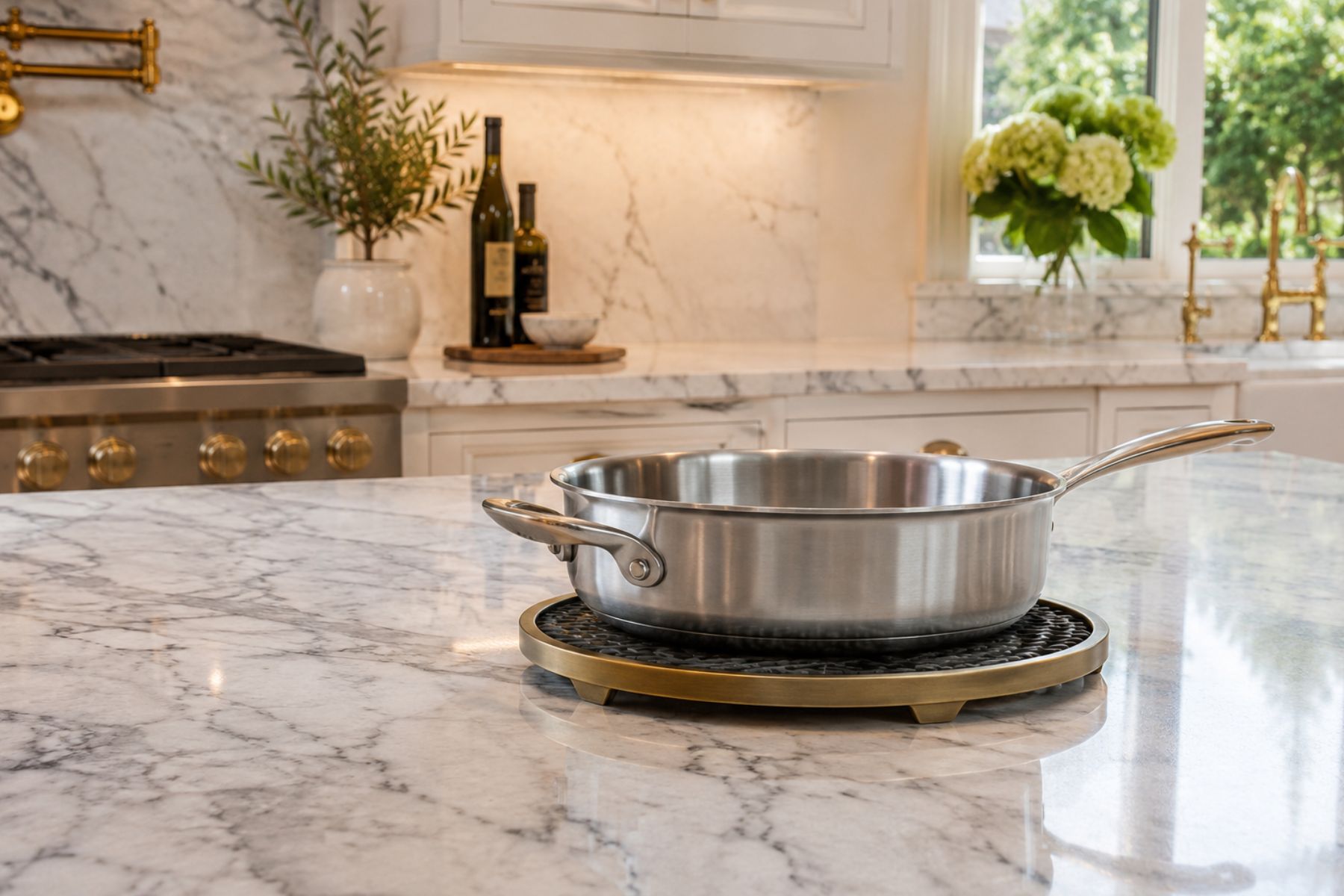
- Trivets
- Floor mats
- Furniture pads
- Entry rugs
helps reduce wear, scratching, moisture exposure, and surface stress.
High-traffic areas naturally experience more abrasion over time, especially on polished finishes.
Keep Moisture Under Control
Moisture is one of the most common contributors to stone deterioration.
Bathrooms, showers, kitchens, exterior patios, and pool areas all experience repeated moisture exposure that can gradually affect both stone and grout if not maintained properly.
Drying wet surfaces, improving ventilation, and scheduling routine inspections can help prevent long-term moisture-related issues such as:
- Mold growth
- Mildew
- Grout deterioration
- Water staining
- Surface discoloration
Common Natural Stone Cleaning Mistakes Homeowners Make
Many homeowners unintentionally damage natural stone simply because they assume stone can be cleaned the same way as other household surfaces.
Unfortunately, improper maintenance habits often create gradual damage that becomes more expensive to repair over time.

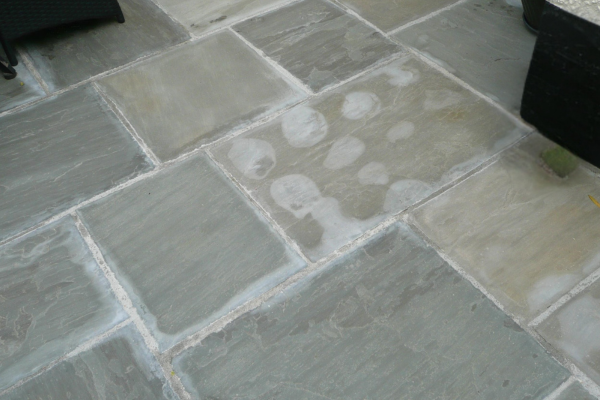
Dull spots, etching, and discoloration are often signs that stone needs more specialized care.
Using Vinegar or Acidic Cleaners
One of the most common mistakes is using vinegar or acidic household cleaners on stone surfaces.
While vinegar is often promoted as a natural cleaner, it can damage many types of natural stone by causing etching. Etching appears as dull spots or faded areas where the acid has reacted with the stone surface.
Marble and limestone are especially vulnerable to acidic damage.
Assuming Sealing Prevents All Damage
Sealing is important, but many homeowners misunderstand what sealers actually do.
A stone sealer helps reduce absorption and staining, but it does not make stone completely stain-proof or damage-proof. Sealers also do not prevent etching, scratching, or surface wear.
Stone still requires proper daily care even after sealing.
Scrubbing Too Aggressively
Using abrasive scrub pads or excessive force may gradually wear down finishes and create microscopic scratching.
Over time, this can leave surfaces looking dull or uneven, particularly on polished marble and softer stones.
Gentle cleaning methods are usually more effective and safer for long-term care.
Ignoring Early Warning Signs
Small signs of wear are often overlooked until the damage becomes more severe.
Some common early indicators include:
- Dull spots
- Water marks
- Uneven shine
- Minor staining
- Grout discoloration
- Moisture buildup
- Surface haze
Addressing these issues early often helps prevent larger restoration needs later.
How Different Stones Respond to Maintenance
Not all natural stone behaves the same way. Each material has its own characteristics, porosity level, and maintenance requirements.
Understanding the differences between stone types helps homeowners care for surfaces more effectively.
Marble
Marble is one of the most elegant and recognizable natural stones, but it is also one of the more sensitive materials.
Because marble contains calcium carbonate, it reacts easily with acidic substances. Citrus, vinegar, wine, and some cleaning products can all cause etching.
Marble also tends to show scratching and dulling more quickly than harder stones.
Routine maintenance, careful cleaning, and occasional professional polishing are important for preserving its appearance.
Granite
Granite is generally more durable and resistant to wear than marble, making it popular for kitchens and high-use areas.
However, granite is still porous and benefits from sealing and proper cleaning practices.
Without maintenance, granite can still develop staining, dullness, or surface buildup over time.
Limestone and Travertine
Limestone and travertine are softer, more porous stones that require more preventative care.
These materials are more susceptible to:
- Moisture absorption
- Staining
- Surface wear
- Etching
Routine maintenance and professional care are especially important for preserving limestone and travertine surfaces in both interior and exterior applications.
Quartzite and Other Natural Stones
Quartzite is often chosen for its durability and natural appearance, but it still requires proper stone-safe maintenance.
Even harder stones benefit from:
- Routine cleaning
- Periodic sealing
- Professional inspections
- Preventative maintenance
No natural stone is completely maintenance-free.
When Professional Stone Maintenance Makes Sense
Daily maintenance is important, but some situations require professional attention to properly restore or protect stone surfaces.
Professional stone maintenance becomes especially valuable when surfaces begin showing signs of deeper wear or damage.

Professional maintenance helps restore stone surfaces and protect them from long-term wear.
Signs Professional Service May Be Needed
Some common indicators include:
- Deep staining
- Uneven finishes
- Etching
- Dull surfaces
- Cracks or chips
- Heavy buildup
- Moisture issues
- Mold or mildew concerns
In many cases, professional restoration can significantly improve the appearance of surfaces without requiring full replacement.
Professional Services That Help Extend Stone Life
Professional stone maintenance services may include:
- Deep cleaning
- Honing
- Polishing
- Sealing
- Stain removal
- Crack and chip repair
- Grout restoration
- Moisture remediation
These services help restore the appearance of the stone while also protecting it from further deterioration.
Preventative Maintenance Often Costs Less Long-Term
One of the biggest advantages of professional maintenance is preventing larger restoration expenses down the road.
Routine inspections and scheduled care help identify small issues before they become larger structural or cosmetic problems.
For high-value homes, luxury properties, hospitality spaces, and commercial environments, preventative maintenance also helps maintain a polished and consistent appearance year-round.
The Benefits of a Stone Maintenance Program
For many property owners, ongoing maintenance programs provide a simpler and more consistent way to care for natural stone surfaces.
Rather than waiting until problems appear, maintenance programs focus on preventative care and scheduled upkeep.
Scheduled Care Helps Prevent Bigger Problems
Routine service allows surfaces to be monitored consistently over time.
Regular inspections and maintenance help identify:
- Moisture issues
- Surface wear
- Early staining
- Sealant breakdown
- Grout deterioration
before they become larger restoration concerns.
Priority Service and Consistent Results
Maintenance clients often benefit from priority scheduling and a team already familiar with the property and materials.
This creates greater consistency in both service quality and long-term surface care.
Better Long-Term Appearance
Regular maintenance helps preserve:
- Surface finish
- Shine
- Color consistency
- Cleanliness
- Overall presentation
This is especially important for luxury homes, hospitality spaces, commercial properties, and high-traffic environments where presentation matters.
Easier Property Management
Scheduled maintenance programs also simplify communication, scheduling, and long-term planning for homeowners and property managers.
Instead of reacting to issues as they arise, maintenance becomes part of a predictable care plan.
Natural Stone Maintenance for Different Environments
Different environments place different levels of stress on natural stone surfaces.
Understanding how stone performs in various settings helps determine the right maintenance approach.
Residential Homes
In residential settings, kitchens, bathrooms, showers, patios, and entryways are some of the most common areas requiring maintenance.
These spaces experience:
- Daily moisture exposure
- Food and liquid spills
- Heavy use
- Temperature fluctuations
Consistent care helps preserve both function and appearance.
Commercial Properties
Hotels, offices, restaurants, lobbies, retail spaces, and hospitality environments often experience significantly higher foot traffic.
Commercial stone surfaces may require:
- More frequent cleaning
- Regular polishing
- Routine inspections
- Scheduled maintenance programs
to maintain a professional appearance.
Coastal and High-Humidity Areas
Properties located in humid or coastal environments often experience additional exposure to:
- Moisture
- Salt air
- Mold and mildew
- UV exposure
These conditions may accelerate wear and increase the need for preventative maintenance and inspections.
Final Takeaway
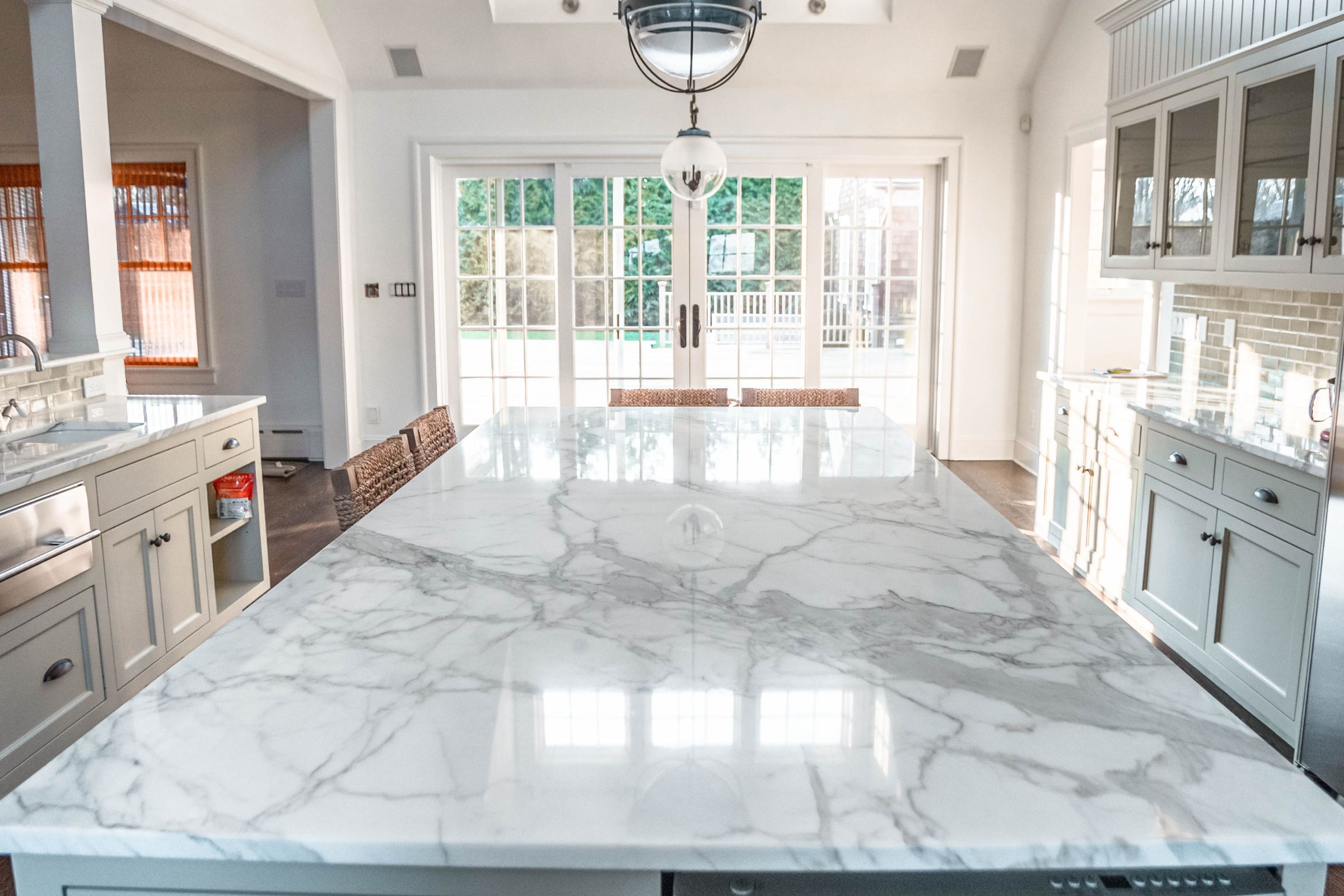
Routine care helps natural stone maintain its beauty, finish, and long-term value.
Natural stone is one of the most beautiful and long-lasting materials used in homes and commercial properties, but maintaining that beauty requires the right care.
Simple daily habits, proper cleaning products, moisture control, and routine maintenance all play an important role in protecting stone surfaces from long-term wear and damage.
Professional maintenance and preventative care can also help extend the life of natural stone while reducing the likelihood of larger restoration needs later on.
Whether you are caring for marble countertops, limestone floors, travertine patios, or granite surfaces, investing in proper maintenance helps preserve both the appearance and value of your property for years to come.
If your surfaces are showing signs of wear, dulling, staining, or moisture issues, professional stone maintenance may help restore and protect them before the damage becomes more extensive.
Schedule a professional stone assessment to learn more about the best maintenance approach for your property.

%20(600%20x%20300%20px).png)

.svg)

.svg)