Natural stone and tile installations in showers, spas, and pool areas are constantly exposed to moisture. These environments are designed to handle water, but they also create ideal conditions for mold, mildew, and other organic growth to develop inside grout lines and porous surfaces.
Many property owners assume discoloration or dark grout is simply a cleaning issue. In reality, these changes are often early signs of moisture being retained inside the grout itself.
As temperatures rise in spring and humidity increases, bathrooms, locker rooms, and spa areas tend to stay damp longer after use. When moisture remains trapped inside grout or beneath stone surfaces, mold and mildew can begin developing below the visible surface.
Understanding how moisture behaves in wet environments helps prevent long term staining, hygiene concerns, and structural deterioration.

Moisture can affect grout in both decorative and functional tiled spaces.
Why Wet Areas Are More Vulnerable
Grout is cement based and naturally porous. Even when sealed, it gradually absorbs small amounts of water, soap residue, oils, and cleaning products.
Over time, these materials build up inside the grout structure.
Spring humidity increases the amount of moisture lingering in these areas. Bathrooms and spa rooms that remain warm and damp for extended periods allow mold spores to settle and grow inside grout lines.
Professionals often notice early warning signs that homeowners miss. These include slightly darker grout lines, uneven drying patterns after use, or surfaces that feel damp longer than they used to.
These subtle changes indicate that moisture is being retained inside the grout rather than evaporating from the surface.
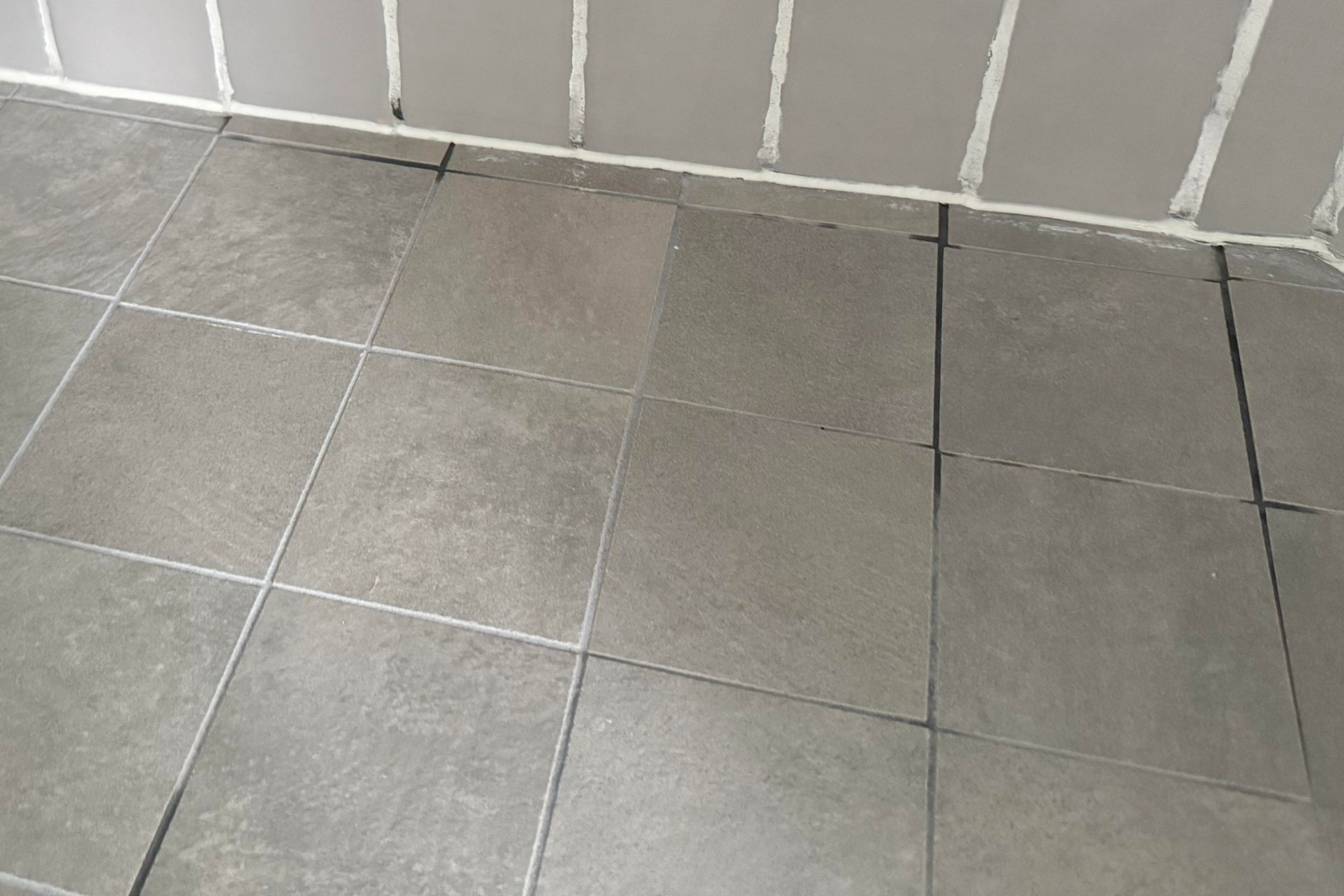
Darkened grout lines are often an early sign of trapped moisture.
How Mold and Mildew Develop in Grout
Mold spores exist naturally in the air. They begin to grow when three conditions are present:
- Moisture
- Warm temperatures
- Organic material to feed on
Wet grout provides all three.
Soap residue, body oils, and cosmetic products collect inside the tiny pores of grout. These materials become nutrients for mold and mildew once moisture is present.
Steam from hot showers can also create condensation that collects along grout joints and corners. Without proper ventilation or drying time, these damp surfaces remain ideal for microbial growth.
By the time black or green discoloration becomes visible, mold colonies are often already anchored inside the grout structure rather than just on the surface.
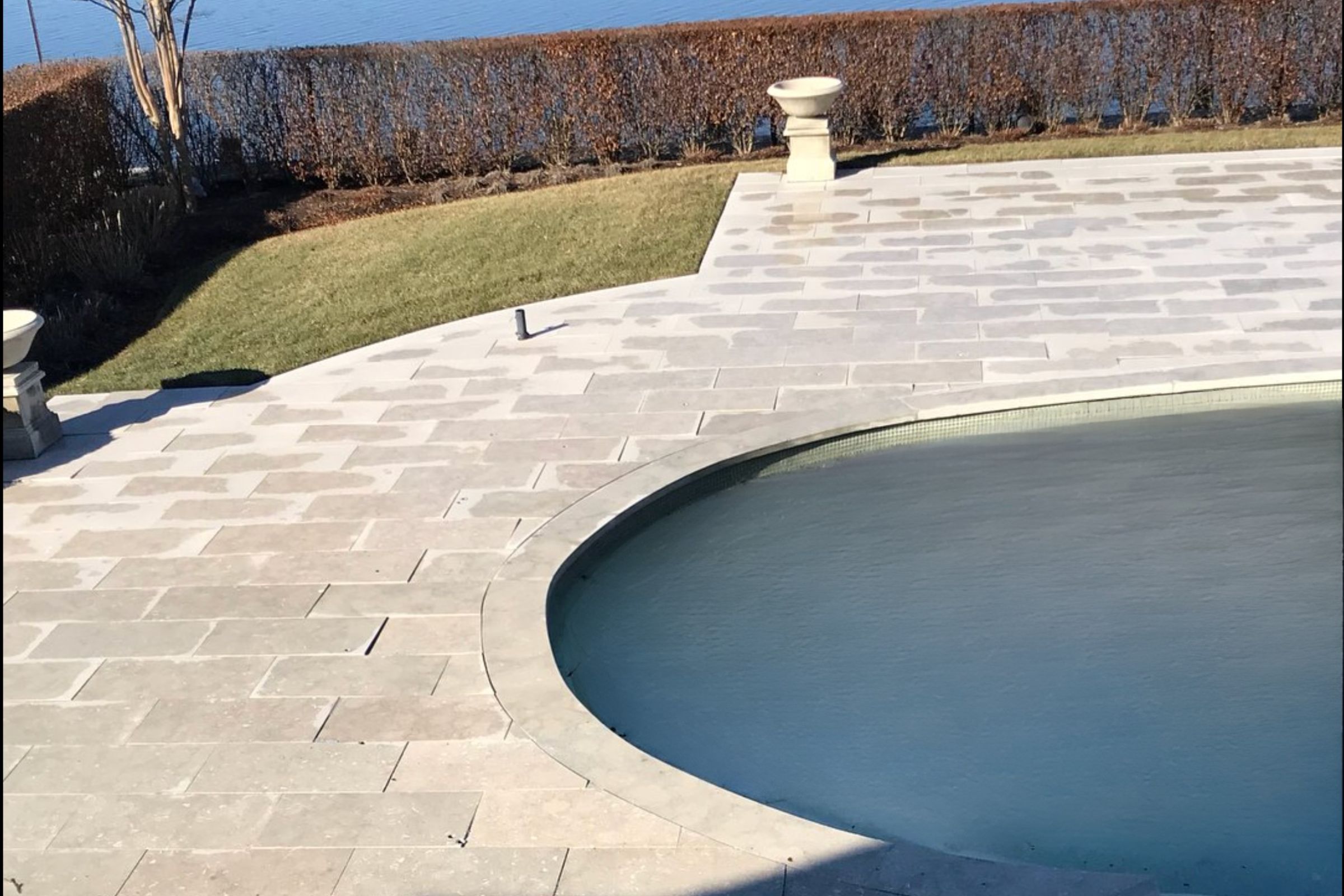
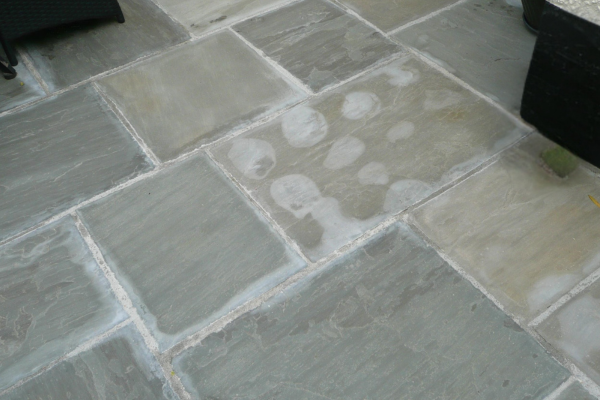
Pool decks and wet exterior areas often stay damp longer than expected.
Spring Humidity and Moisture Retention
Spring introduces a shift in how moisture behaves inside homes and commercial spaces.
In colder climates such as New York, heating systems begin to shut down while outdoor temperatures rise. This creates fluctuating humidity levels that can lead to condensation on cooler stone surfaces.
In warmer climates such as Florida, rising humidity levels mean showers, spas, and pool areas remain damp much longer between uses.
Stone and grout that do not fully dry allow organic growth to develop more quickly. This is especially common in areas with limited airflow such as shower corners, steam rooms, or covered pool decks.
Spring is often when property owners begin noticing discoloration or odor caused by trapped moisture.
Signs Moisture Is Already Affecting Your Grout
Professionals inspecting wet areas often identify early indicators of moisture problems before the damage becomes severe.
Common warning signs include:
- Grout lines that appear darker even after drying
- Musty or damp odors in showers or locker rooms
- Persistent moisture around drains or corners
- Powdery white residue known as efflorescence
- Black or green staining along grout joints
- Stone surfaces losing their even shine near fixtures or drains
When moisture remains trapped beneath the surface, it can weaken setting materials and eventually lead to loose tiles, spalling stone edges, or joint failure.
Addressing these issues early helps prevent larger restoration work later.
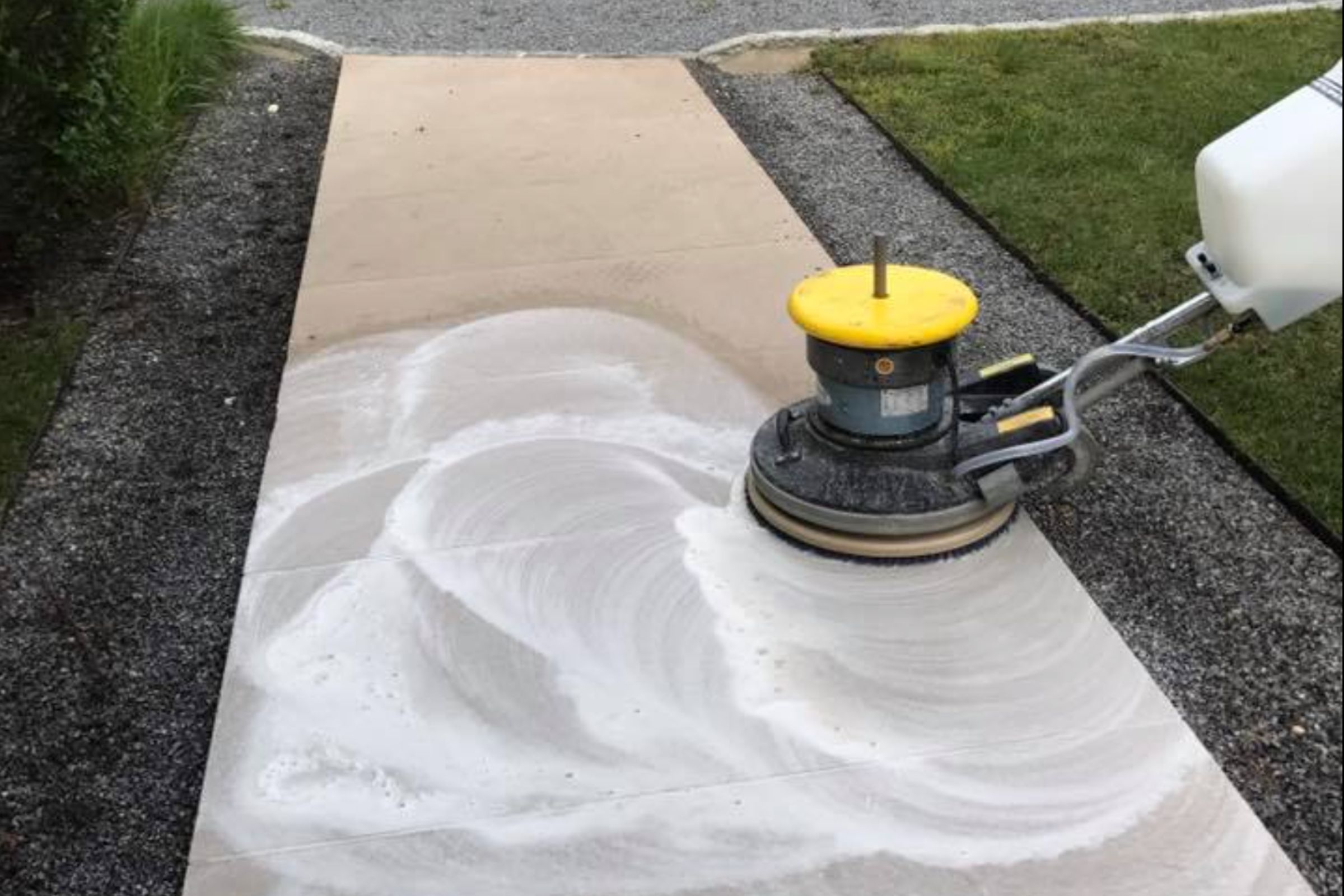
Deep cleaning removes buildup standard surface cleaning often leaves behind.
Why Professional Stone and Grout Cleaning Matters
Standard household cleaning often removes surface residue but does not fully address contaminants embedded inside grout pores.
Professional stone and grout cleaning uses specialized alkaline cleaners, controlled agitation, and extraction techniques to remove buildup below the surface.
This process removes organic material, soap residue, and mineral deposits that feed mold growth.
After deep cleaning, applying a breathable penetrating sealer helps slow future moisture absorption while still allowing vapor to escape naturally from the stone.
This combination of cleaning and sealing helps restore the appearance of grout while reducing the likelihood of future microbial growth.
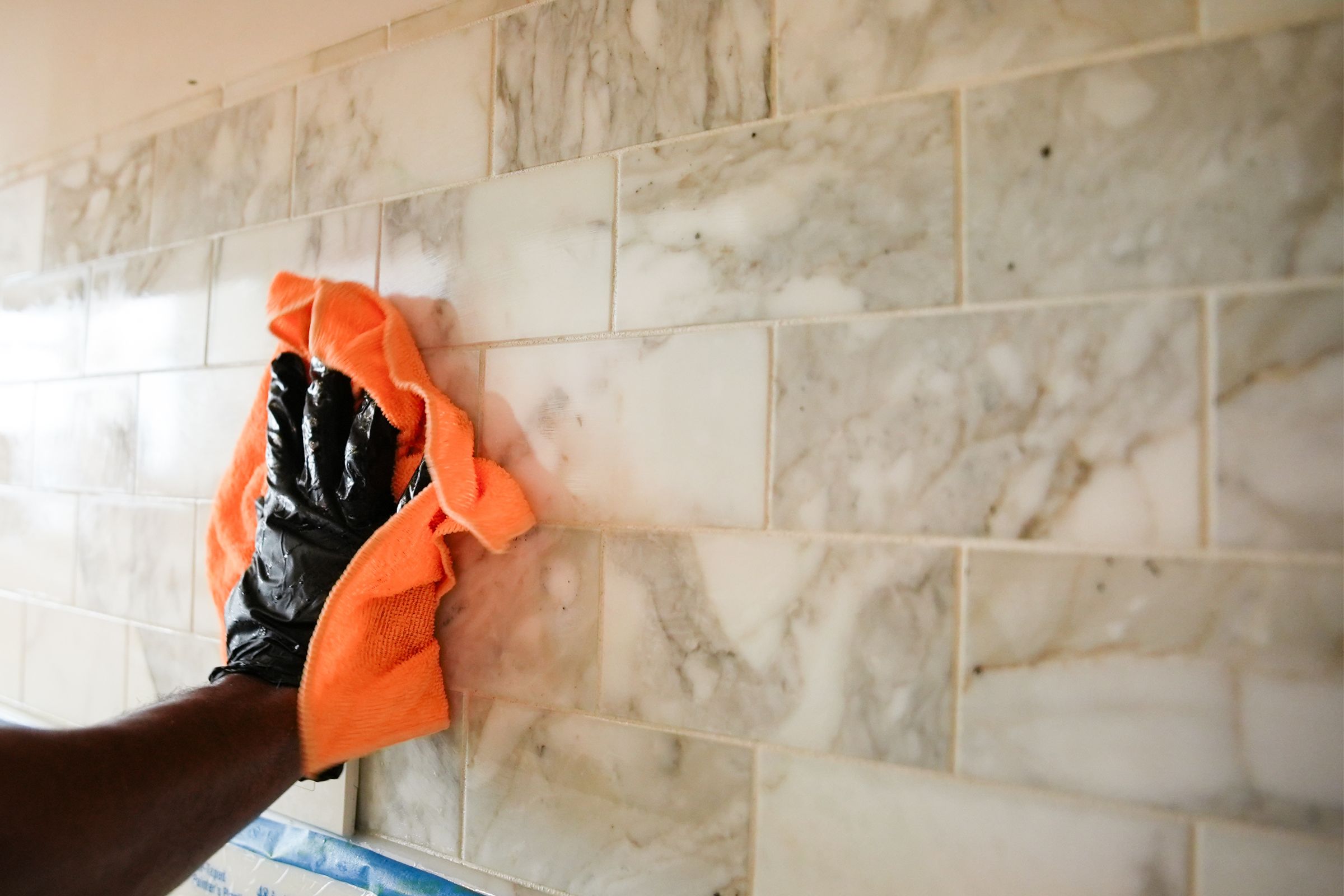
Proper maintenance helps protect both grout joints and surrounding stone.
Preventing Mold and Moisture Problems
Small maintenance habits can significantly reduce the likelihood of mold forming inside grout.
Property owners can protect wet areas by:
- Running ventilation fans after showers or spa use
- Using pH neutral cleaners designed for stone
- Drying heavily used shower walls or glass enclosures
- Repairing missing grout or caulk promptly
- Scheduling periodic professional cleaning and sealing
Regular inspection and maintenance prevent minor discoloration from becoming deeper structural damage.
Spring Is the Ideal Time for a Grout and Stone Inspection
Spring humidity and increased use make this the most important time of year to evaluate stone and grout conditions.
A professional inspection typically includes:
- Visual assessment of grout and stone surfaces
- Identification of moisture retention areas
- Testing existing sealers to confirm protection levels
- Deep cleaning of grout joints and stone surfaces
- Re sealing where absorption has increased
Addressing these issues early helps maintain both appearance and hygiene in wet environments.

Routine inspections help wet areas stay clean, safe, and visually consistent.
Conclusion
Moisture is unavoidable in showers, spas, and pool environments. What determines whether mold develops is how well those surfaces are maintained.
Grout naturally absorbs water over time, and spring humidity often reveals areas where moisture has been building below the surface. Darkening grout, musty odors, or persistent dampness are early signals that deeper cleaning or sealing may be needed.
Routine inspection and professional maintenance help prevent these conditions from spreading and protect both the appearance and cleanliness of stone installations.
For residential baths, hotel spas, or pool facilities, addressing moisture early ensures surfaces remain safe, sanitary, and visually consistent throughout the year.


%20(600%20x%20300%20px).png)

.svg)

.svg)