For commercial buildings in New York City and Long Island, winter maintenance begins before the first major snowfall. Entrances, lobby floors, exterior stonework, and masonry joints are exposed to changing conditions throughout the season, and even small maintenance concerns can become more noticeable in busy properties.
For property managers, facility directors, and hotel operators, the priority is not simply keeping surfaces looking polished. It is understanding which conditions require routine care, which need professional stone restoration, and which may indicate a problem with the building envelope.
A thoughtful winter maintenance plan can address high-traffic interior spaces while identifying exterior stone and masonry concerns that deserve closer attention.
Why Winter Changes the Maintenance Demands on Commercial Stone
Commercial properties experience concentrated wear at entrances, elevator lobbies, corridors, reception areas, and other shared spaces. During colder months, footwear can carry additional grit, moisture, and deicing residue indoors.
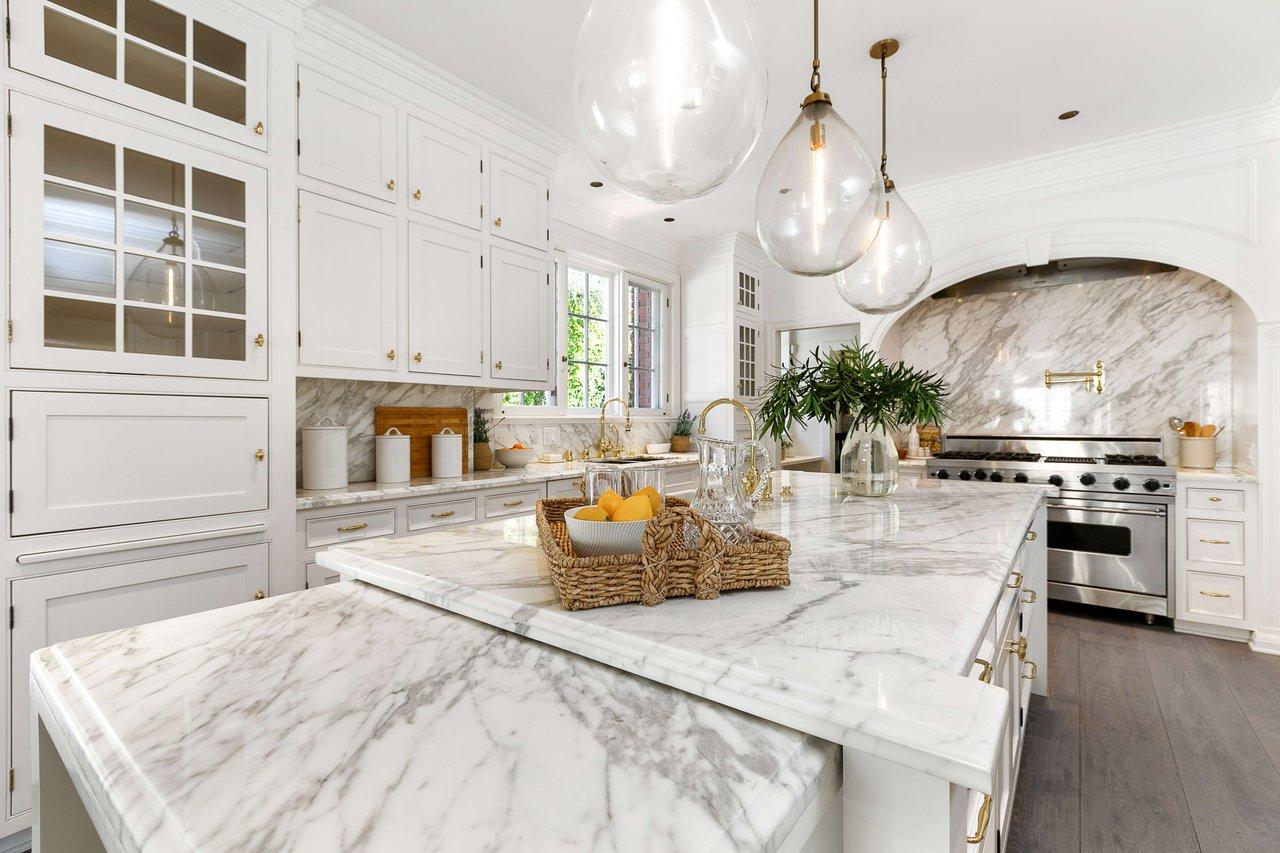
These conditions affect materials differently. Polished marble may gradually lose its uniform reflection in heavy-traffic pathways. Limestone and travertine can show surface wear or moisture-related changes. Terrazzo floors may develop dull areas, depending on their composition, finish, and maintenance practices.
Outside, precipitation and temperature changes can make existing defects in stonework, mortar joints, and sealant more important to investigate. The correct response depends on the material and the actual source of deterioration.
Building Entrances: The First Area to Assess
An entrance is both a high-visibility architectural feature and a transition between exterior conditions and interior finishes. Stone floors near doors often receive more abrasive debris than floors farther inside the building.
Control Tracked-In Grit and Moisture
Appropriate walk-off mats, frequent removal of loose debris, and a cleaning schedule suited to the stone can help reduce abrasion. Mats should be selected and maintained so they do not trap moisture against sensitive surfaces or introduce staining.
Property teams should also review how deicing products are used at entrances. Residue that reaches interior flooring may require material-specific cleaning, and the safest approach varies by stone and finish.
Watch for Changes in Finish
Look across polished floors under consistent lighting. Dull walkways, cloudy areas, surface scratches, or changes in reflectivity may signal wear that routine mopping cannot correct.
Professional honing or polishing can be appropriate for certain conditions, but only after the surface and its finish are evaluated. Not every dull floor needs full restoration, and not every material responds to the same treatment.
Lobby Floors and Common Areas: Maintaining a Consistent Appearance
In hotels, residential towers, office buildings, and other commercial properties, common areas establish an immediate impression. Marble floors, natural stone walls, stairs, and terrazzo surfaces are often central to the interior design.
High-traffic paths can wear unevenly, especially where guests or tenants move between doors, elevators, reception desks, and shared amenities. Spot repairs can help in some situations, but the broader finish should be considered when consistency matters.
- Marble and limestone: Check for etching, scratches, and uneven sheen.
- Terrazzo: Review traffic patterns, surface dullness, and existing repairs before selecting maintenance methods.
- Stone stairs and thresholds: Look for chips, looseness, and changes at edges or transitions.
- Grout and joints: Identify missing or deteriorating material that may need attention.
The goal is to preserve the property's intended appearance while choosing work that fits how the space is occupied and operated. Scheduling, access, noise, dust control, and traffic management may all influence a commercial restoration plan.
Exterior Masonry and Facades: Look Beyond Surface Appearance
Exterior stone and masonry present a different set of challenges from interior floor finishes. Cleaning alone will not resolve deteriorated mortar, failed sealant, or moisture entering through compromised joints.
Mortar Joints and Repointing
Missing, cracked, or recessed mortar can indicate a need for professional evaluation. Repointing is not simply filling visible gaps. A suitable repair should account for the existing masonry, mortar compatibility, moisture movement, and the condition of the surrounding materials.
For older buildings, particularly those with historic masonry, material selection and repair methods require special care. Incompatible mortar or aggressive removal methods can damage adjacent stone or brick.
Expansion Joints and Caulking
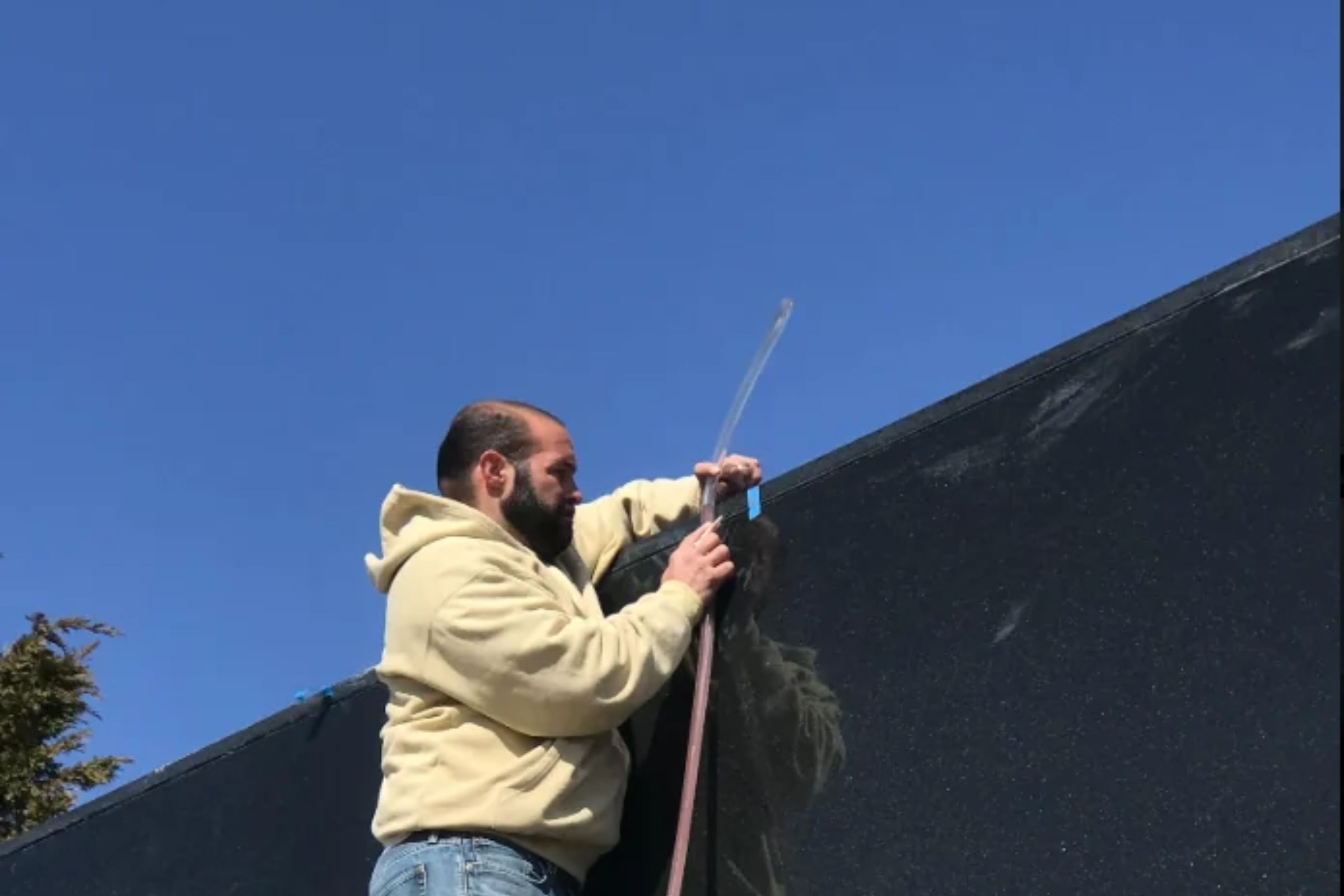
Exterior sealant joints around transitions and movement locations should be inspected for cracking, separation, loss of adhesion, or other signs of deterioration. These joints play a role in accommodating movement and controlling water entry where they are designed to do so.
A failed joint should be evaluated in context. Replacing sealant without addressing a related moisture or movement issue may not provide a lasting solution.
Plan Repairs Around Conditions
Exterior masonry work can be sensitive to air temperature, substrate temperature, moisture, and curing conditions. Property teams should avoid assuming that every repair can be completed during freezing weather. A qualified professional can determine whether the work should proceed with appropriate controls or be scheduled for a more suitable window.
Cleaning Is Not the Same as Restoration
Routine janitorial cleaning is essential, but it serves a different purpose from professional stone restoration. Cleaning removes ordinary dirt and residue. Restoration addresses conditions affecting the stone or its finish, such as etching, worn polish, scratches, or certain types of damage.
Likewise, a stained exterior facade may need evaluation before a cleaning method is selected. Discoloration can have several causes, including environmental deposits and moisture-related conditions. An inappropriate chemical or cleaning technique can alter masonry surfaces rather than improve them.
The right process begins with identifying the material, documenting the condition, and determining the objective of the work.
Why Recurring Maintenance Matters for Hotels and Large Buildings
For a large property, addressing stone only after visible deterioration develops can make scheduling more disruptive. A recurring maintenance plan provides an opportunity to review surface condition and prioritize work over time.
Depending on the property and the amount of use, a plan may include periodic inspection, targeted cleaning, refinishing of high-traffic areas, and scheduled corrective maintenance. Some buildings benefit from semiannual or annual service, while heavily used areas may require a different cadence.
A practical program should be based on the actual materials, occupancy, traffic patterns, and appearance standards of the property rather than a universal schedule.
Smaller maintenance projects can also help property teams identify longer-term needs and develop a more coordinated plan for interior and exterior care.
A Practical Winter Assessment Checklist for Property Managers
Before winter conditions become more demanding, review the following areas with your building operations team:
- Entrances: Check matting, trapped debris, moisture exposure, and visible wear on stone floors.
- Lobbies and corridors: Note dull traffic lanes, scratches, etching, and inconsistent finishes.
- Stairs and thresholds: Identify chipped edges, loose pieces, or transitions needing evaluation.
- Exterior masonry: Document visible cracks, missing mortar, unusual staining, and displaced material.
- Expansion joints and sealants: Look for separation, gaps, and deterioration at exposed transitions.
- Maintenance records: Review previous restoration work, recurring trouble spots, and the next planned service date.
Photographs and a simple location-based record can make it easier to discuss priorities with a qualified restoration contractor. Safety concerns, loose masonry, or suspected water intrusion should be escalated promptly to the appropriate building professional.
Frequently Asked Questions About Commercial Stone Maintenance
Does winter salt damage marble lobby floors?
Deicing residue, grit, and moisture can create maintenance challenges at entrances. Abrasive particles may contribute to finish wear, while chemical effects depend on the product and material. Preventive matting, debris removal, and compatible cleaning methods are important.
Can worn commercial stone floors be restored without replacement?
Often, yes. Certain scratches, etching, and finish changes can be improved through professional honing, polishing, or targeted restoration. Loose, fractured, or structurally compromised materials may require a different approach.
How often should a hotel or building schedule stone maintenance?
There is no single schedule for every property. The appropriate frequency depends on material, finish, traffic, cleaning methods, and appearance expectations. Semiannual or annual maintenance may be suitable for some spaces, with additional attention to heavily used areas.
Should facade cracks or failing caulk be repaired before winter?
Visible deterioration should be assessed promptly, particularly when there are signs of water entry or loose materials. Repair timing and technique depend on the condition, access, weather, and specifications for the selected materials.
Plan Commercial Stone and Masonry Care With Cornerstone Restorations
Commercial stone and masonry maintenance is most effective when the work is planned around the building's materials, operating needs, and long-term goals.
At Cornerstone Restorations, we work with property professionals on interior natural stone restoration and maintenance, terrazzo refinishing, exterior masonry concerns, and related repair needs. Our goal is to help determine the appropriate scope of work, from focused corrective projects to ongoing care.
We serve commercial properties in New York City and Long Island, with additional service coverage in South Florida and other select markets.
Managing a hotel, commercial building, or multi-unit property? Explore our commercial stone restoration and maintenance services and use the contact form on that page to discuss an assessment and a maintenance plan suited to your property.