Natural stone is often assumed to be permanent. It feels substantial and enduring. Yet even the most durable marble, limestone, granite, or quartzite responds to its environment over time.
Temperature swings, moisture patterns, UV exposure, and seasonal weather cycles influence how stone surfaces perform and age. A marble entry in Manhattan experiences a very different stress pattern than the same marble installed in Palm Beach. A pool deck at a private estate faces different long term pressures than the terrace of a high rise residence.
These patterns affect private homes, estates, and managed commercial properties alike. Understanding them allows Cornerstone to recommend climate specific maintenance rather than generic one size fits all advice.
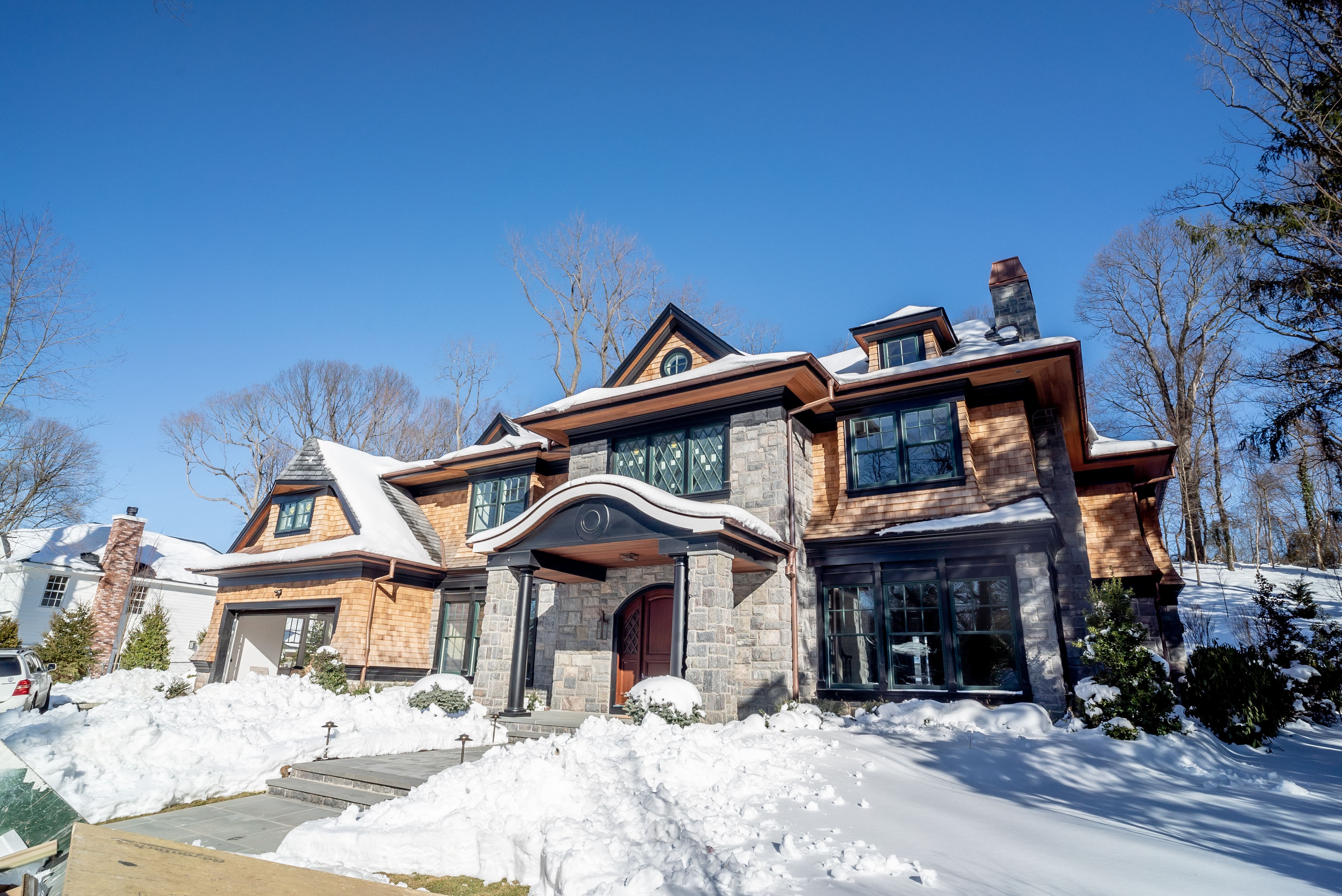
Seasonal conditions shape how natural stone ages across different regions
New York: Freeze Thaw, Salt, and Spring Moisture
In the Northeast, natural stone endures one of the most aggressive seasonal cycles in the country. This is particularly true for exterior entries, plazas, facades, and shared building access points that see daily traffic.
During winter, water works its way into surface pores, grout lines, joints, and microscopic fissures. When temperatures drop, that moisture freezes and expands. The expansion exerts internal pressure against the stone. As temperatures fluctuate repeatedly through the season, this cycle continues.
By early spring, the effects become visible.
Exterior steps at townhomes and estates may show flaking or surface pop outs. Building thresholds and coping can develop hairline fractures. Edges at high traffic entry points may soften where freeze driven expansion acted on vulnerable areas.
De icing salts introduce additional stress. Sodium and calcium based salts can chemically interact with calcium based stones such as marble and limestone, leaving the surface hazy or lightly pitted.
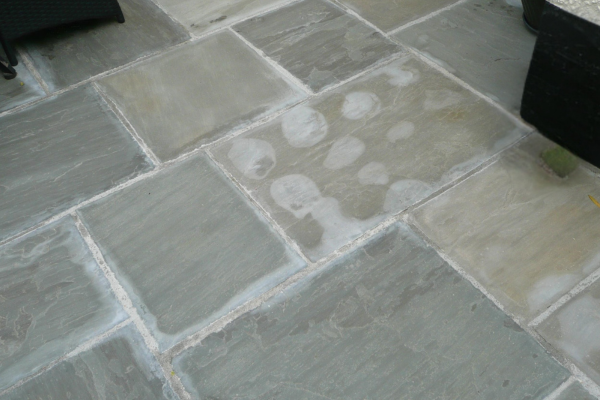
When spring moisture dissolves residual salt, it migrates through grout lines and bedding materials. Efflorescence can develop when minerals migrate through the stone from setting materials or mineral rich hard water.
For estate managers and property teams, early detection prevents cosmetic issues from developing into structural repairs.
Cornerstone’s spring focus in New York includes:
- Post winter stone inspection across all exposed surfaces
- Deep cleaning to remove salt and winter residue
- Sealer performance testing
- Early crack identification in entries, facades, and walkways
- Preventative planning before the next freeze cycle
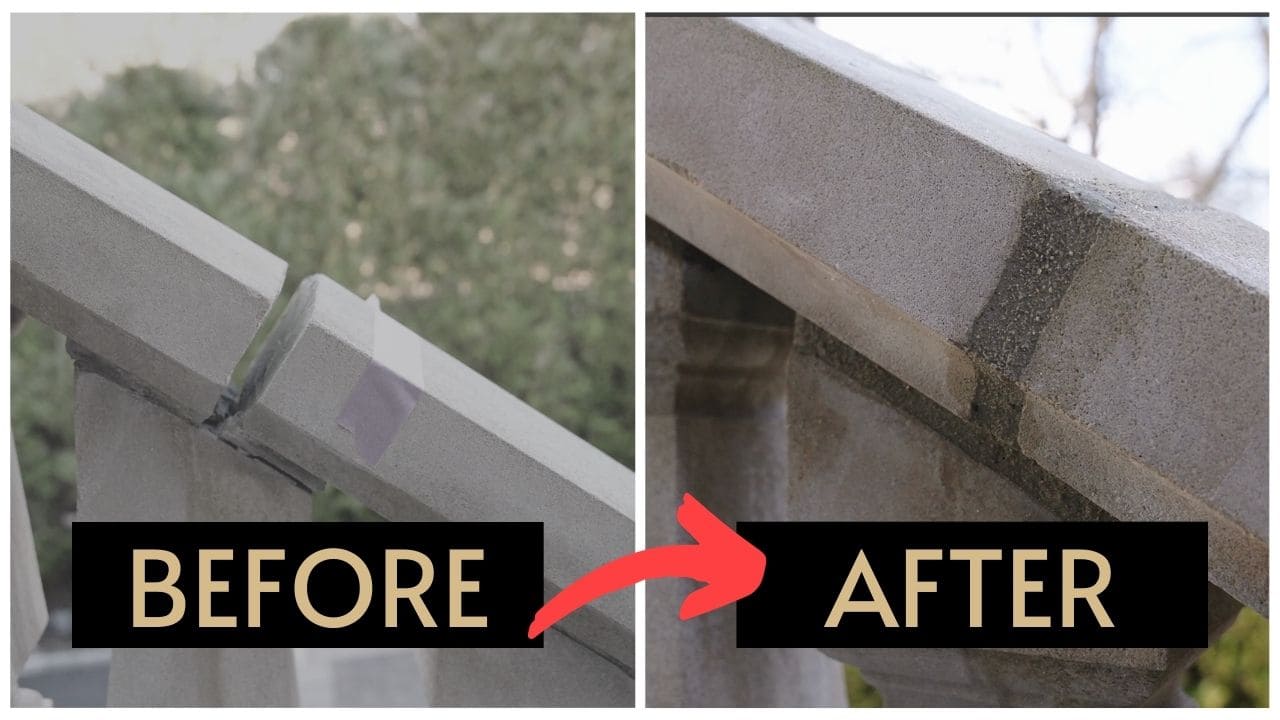
Freeze thaw pressure, salt, and moisture can create visible surface changes by spring
Florida: Heat, Humidity, Rain, and UV Exposure
Florida presents a different but equally demanding environment. Coastal estates, pool decks, hospitality terraces, and condominium lanais are exposed to constant humidity and intense sun.
There is little freeze thaw stress. Instead, persistent moisture, seasonal storms, and prolonged UV exposure shape how stone ages.
As temperatures rise and humidity remains elevated, surfaces often develop darkening, biofilm buildup, and green or black algae in shaded or persistently damp areas. Pool decks, shared building terraces, and estate patios frequently remain damp long after rainfall, allowing organic growth to spread if not professionally managed.
In many estate level installations, stones are set with solid joints rather than loose sand joints. This provides greater long term stability and reduces movement between stones.
Mineral rich rainwater may dry on the surface, leaving deposits that dull the finish.
Florida’s UV exposure introduces another layer of deterioration. Prolonged sunlight can fade certain stones and accelerate the degradation of penetrating sealers, especially on south facing terraces and waterfront properties.
Cornerstone’s spring focus in Florida includes:
- Deep cleaning and sanitizing of exterior stone
- Targeted algae and organic growth treatment
- Drainage and paver stability inspection
- Joint sand restoration where necessary
- Selection of breathable, UV appropriate sealers suited to coastal conditions
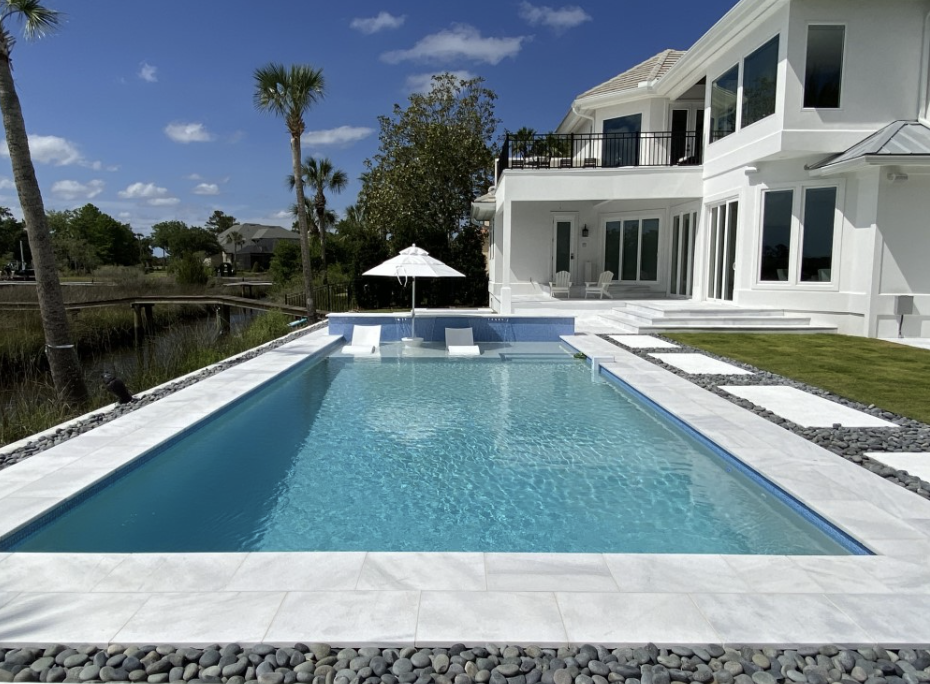
Heat, moisture, and UV exposure create a very different aging pattern in Florida
How Marble, Limestone, and Exterior Stone Respond
Marble and limestone are calcium based materials. They are naturally more porous than many granites and certain quartzites. Because of this, they often show environmental stress earlier.
In New York, these stones commonly experience:
- Edge breakdown following freeze thaw cycles
- Surface wear from winter salt exposure
- Moisture darkening where sealers weakened
- Seasonal expansion acting on micro fractures
In Florida, the same materials more often show:
- Accelerated algae growth
- Persistent damp areas after rainfall
- Surface dulling from mineral deposition
- Slippery conditions in shaded entries and covered walkways
Outdoor pavers, coping, and pedestrian surfaces in both regions depend heavily on base preparation and drainage.
In New York, trapped moisture beneath stone can freeze upward and create surface pop outs. When natural stone is installed in a mortar bed with calcium based setting materials, moisture movement within the bedding layer can also contribute to seasonal stress during freeze cycles.
In Florida, trapped water encourages soft bedding layers and long term settlement.
For multi property owners and building managers, consistent inspection ensures that performance issues are identified before they affect safety or appearance.
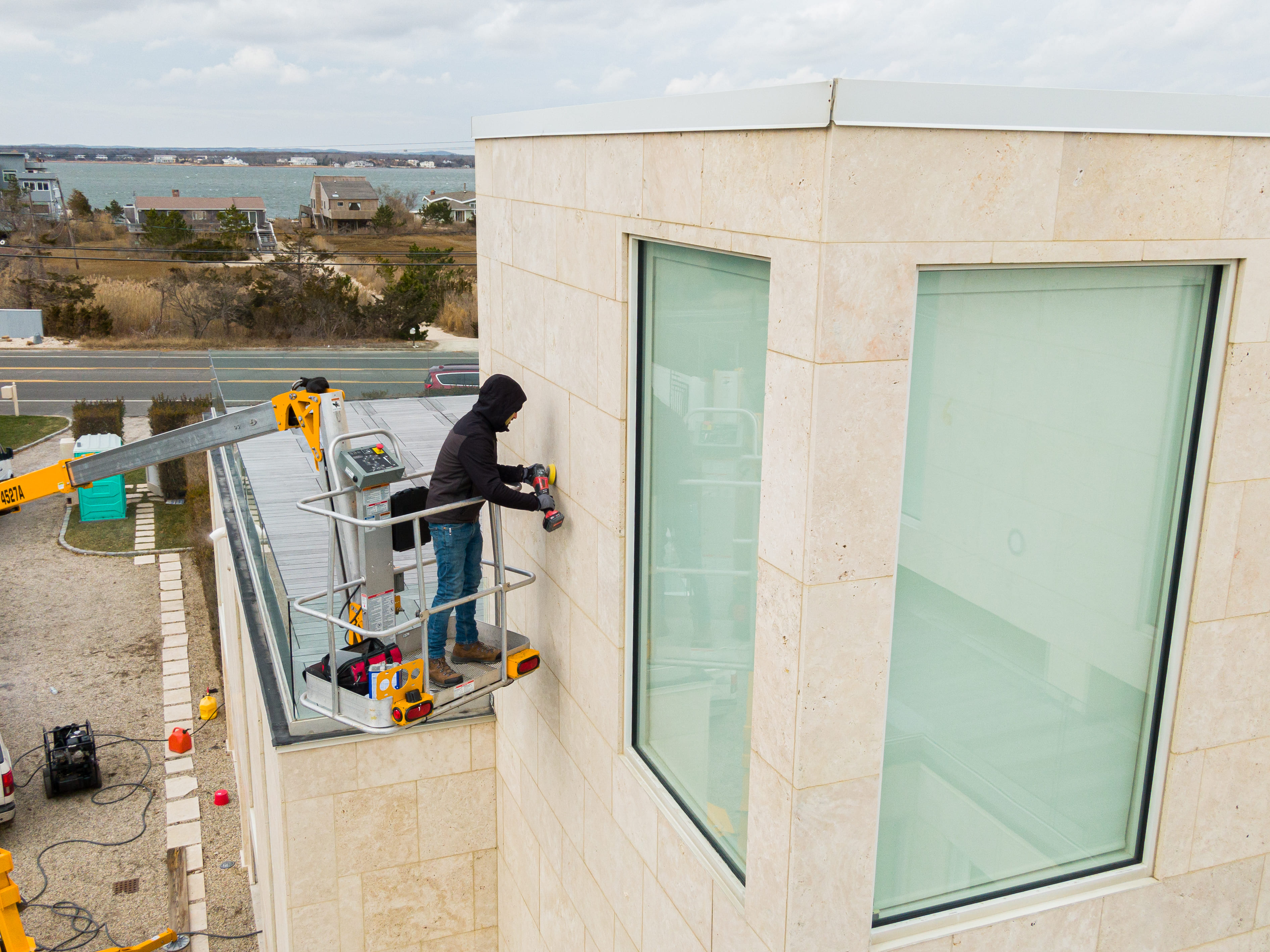
Exterior stone surfaces often reveal environmental stress before interior spaces do
Regional Patterns Owners and Property Teams Often Misinterpret
In New York, spring flaking is often dismissed as normal aging. In many cases, it is freeze driven expansion acting on fractures that developed over several seasons. White residue near steps or building entries is frequently efflorescence caused by mineral migration through setting materials or hard water, not surface dirt.
In Florida, darker stone near pools or building entrances is commonly assumed to be simply wet. Often it reflects slow drying caused by clogged pores, algae buildup, or mineral accumulation. Fading terraces are frequently the result of UV accelerated sealer degradation rather than improper cleaning.
Recognizing these patterns early allows estates, residential buildings, and commercial properties to maintain consistent presentation and avoid unnecessary restoration cycles.
What This Means for Spring Maintenance
The same stone cannot follow the same maintenance routine in two different climates.
New York properties benefit from a structured post winter evaluation focused on salt removal, moisture testing, crack detection, and preventative planning before the next freeze cycle.
Florida properties require proactive cleaning, organic growth management, UV appropriate sealing strategies, and drainage evaluation before summer humidity intensifies.
Climate directly influences how natural stone ages, performs, and requires maintenance across private residences, estates, and managed properties.
This spring, Cornerstone is offering region specific stone assessments through two programs:
- Post Winter Stone Health Check for New York
- Spring Clean and Protect Program for Florida
Each visit includes inspection, cleaning recommendations, absorption testing, and a tailored maintenance plan structured for the property’s environment and level of use.
Natural stone requires maintenance aligned with its setting. A diagnostic approach ensures surfaces remain protected, stable, and visually consistent year after year, whether at a private residence or a multi unit property.
Regional maintenance planning helps protect stone before seasonal wear becomes costly restoration

%20(600%20x%20300%20px).png)

.svg)

.svg)